
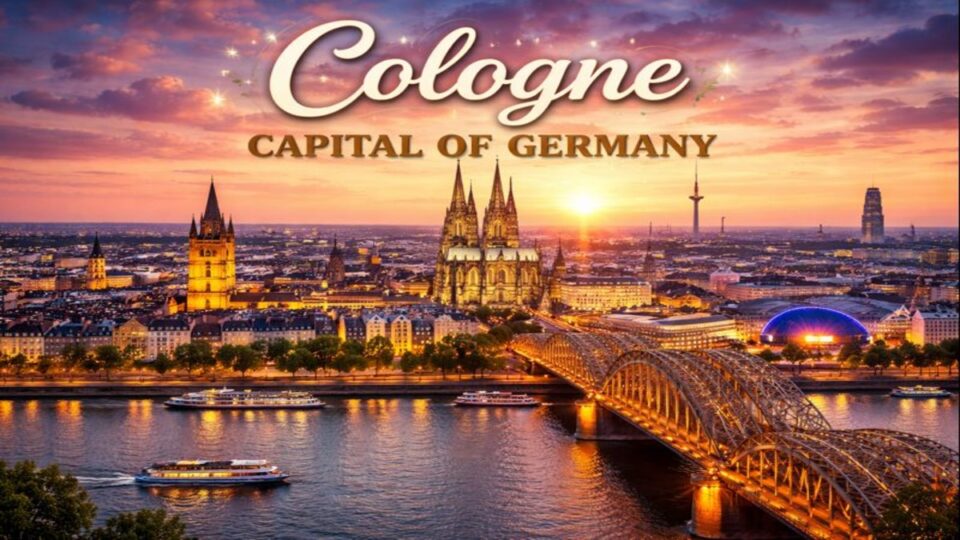
When people hear the phrase “Cologne Capital,” one city instantly comes to mind—Cologne, Germany. This historic city isn’t just famous for its towering cathedral and lively culture; it’s the birthplace of one of the world’s most iconic fragrances. Think of Cologne as the beating heart of freshness, where scent and history shake hands and never let go.
Understanding the Term “Cologne Capital”
What Does Cologne Capital Mean?
The term Cologne Capital refers to the city of Cologne being the original home and global center of Eau de Cologne, a light, refreshing fragrance that changed the perfume world forever.
Why Cologne Earned This Title
Cologne earned this title because it’s where Eau de Cologne was first created, produced, and popularized. Over time, the city became synonymous with fresh citrus scents and refined simplicity.
The City of Cologne at a Glance
Geographic Location and Importance
Located along the Rhine River in western Germany, Cologne has long been a trading and cultural crossroads. This prime location helped spread Eau de Cologne across Europe and beyond.
Cologne’s Cultural Identity
Cologne is bold, friendly, and expressive—qualities that mirror the very scent it gave the world. The city blends Roman roots, medieval charm, and modern creativity seamlessly.
The Birth of Eau de Cologne
Johann Maria Farina and His Legacy
In the early 18th century, Italian-born perfumer Johann Maria Farina created a fragrance inspired by a “spring morning in Italy.” That creation became known as Eau de Cologne.
The Original Eau de Cologne Formula
The formula was simple yet revolutionary—citrus oils, herbs, and alcohol. Light, clean, and uplifting, it stood in sharp contrast to the heavy perfumes of the time.
Cologne as a Global Fragrance Hub
Perfume Houses and Manufacturers
Cologne quickly attracted perfumers, traders, and entrepreneurs. Fragrance houses flourished, turning the city into a scent-making powerhouse.
Influence on Modern Perfumery
Modern colognes and even many perfumes borrow the structure and freshness pioneered in Cologne. It’s like the blueprint behind countless scents today.
Why Cologne Is Called the Capital of Cologne
Historical Dominance
For centuries, Cologne dominated the production and export of Eau de Cologne, cementing its reputation worldwide.
Branding and Global Recognition
Names like 4711 made Cologne a household word. The city itself became a brand—fresh, refined, and timeless.
Cologne vs Perfume – What’s the Difference?
Concentration Levels Explained
Cologne contains a lower concentration of fragrance oils compared to perfume, making it lighter and more refreshing.
Why Cologne Feels Lighter
It’s designed for everyday wear—like a splash of cool water on a warm day.
Famous Cologne Brands Linked to Cologne
4711 Original Eau de Cologne
This iconic brand remains one of the most recognized colognes worldwide, proudly tied to the city’s legacy.
Other Notable Fragrance Names
Many historic and niche fragrance makers trace their roots back to Cologne, reinforcing its capital status.
Economic Impact of the Fragrance Industry
Tourism and Souvenirs
Visitors flock to Cologne to explore fragrance museums and buy authentic colognes as souvenirs.
Employment and Trade
The fragrance industry supports local jobs and contributes significantly to the city’s economy.
Cologne Capital in Modern Times
Innovation and Sustainability
Today, Cologne embraces eco-friendly practices and modern scent innovations while honoring tradition.
Cologne in Popular Culture
The word “cologne” is now universally used to describe men’s fragrance—a linguistic legacy of the city.
Visiting Cologne as a Fragrance Lover
Museums and Historic Sites
The Farina House and fragrance museums offer a sensory journey through scent history.
Shopping for Authentic Cologne
Local shops sell original formulations you won’t find anywhere else.
The Symbolism of Cologne Worldwide
A Scent Associated with Freshness
Cologne represents cleanliness, energy, and simplicity.
Cologne as a Lifestyle Choice
Wearing cologne isn’t just about smell—it’s about attitude and confidence.
Challenges Facing the Cologne Industry
Competition from Global Brands
Modern fragrance giants pose stiff competition.
Preserving Authenticity
Maintaining heritage while staying relevant remains a delicate balance.
Conclusion: Why Cologne Will Always Be the Cologne Capital
Cologne isn’t just a city—it’s a scent legacy. From its historic origins to its modern influence, Cologne has earned its title as the Cologne Capital. Like a timeless fragrance, its impact lingers long after the first impression.
FAQs
1. Why is Cologne called the Cologne Capital?
Because it is the birthplace of Eau de Cologne and the historical center of its production.
2. Is Cologne only for men?
No, cologne is a unisex fragrance style enjoyed by everyone.
3. What makes Eau de Cologne different from perfume?
It has a lighter concentration and fresher scent profile.
4. Can I visit fragrance museums in Cologne?
Yes, Cologne has famous fragrance museums open to visitors.
5. Is Cologne still important in modern perfumery?
Absolutely. Its influence shapes countless fragrances today.
