
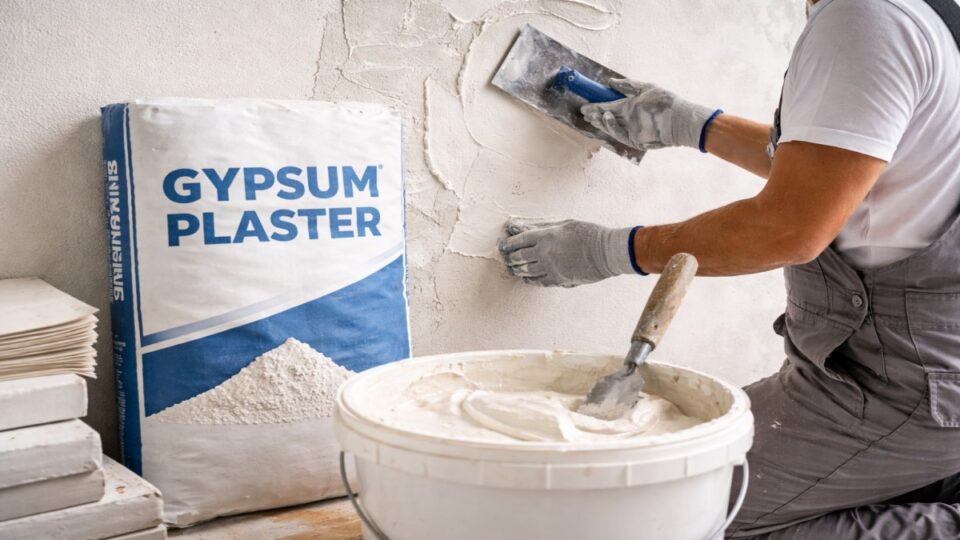
Introduction to Gypsum Plaster
Walk into a modern home, office, or shopping mall, and chances are you’re looking at gypsum plaster without even realizing it. Smooth walls, elegant ceilings, and crisp decorative designs gypsum plaster quietly does the heavy lifting behind the scenes.
What Is Gypsum Plaster?
Gypsum plaster is a fine white powder made from calcium sulfate dihydrate. When mixed with water, it forms a smooth paste that hardens quickly when applied to walls or ceilings. Once set, it creates a flawless surface ready for paint or decoration.
Why Gypsum Plaster Is So Popular
The biggest reason? Speed and finish. Gypsum plaster sets fast, needs no curing with water, and delivers a silky-smooth surface. In today’s fast-paced construction world, that’s gold.
History and Origin of Gypsum Plaster
Ancient Use of Gypsum
Gypsum plaster isn’t new—it’s ancient. The Egyptians used gypsum in the pyramids, and traces have been found in Roman architecture too. If a material survives thousands of years, it’s doing something right.
Composition and Properties of Gypsum Plaster
Chemical Composition
Gypsum plaster is primarily made of calcium sulfate hemihydrate. When water is added, it reacts chemically and reverts to gypsum, forming a hard and stable structure.
Physical and Thermal Properties
- Lightweight compared to cement plaster
- Fire-resistant due to water molecules in its structure
- Provides decent thermal and sound insulation
Think of gypsum plaster as a smart material—it adapts without demanding much.
Types of Gypsum Plaster
Plaster of Paris (POP)
POP is the most commonly used type. It sets quickly and is widely used for false ceilings, moldings, and decorative work.
Alpha and Beta Gypsum
- Alpha gypsum: Stronger, denser, and used in premium applications
- Beta gypsum: Lighter and more commonly used in general construction
Manufacturing Process of Gypsum Plaster
Mining and Processing
Gypsum is mined from natural deposits, crushed, and heated to remove water content. This controlled heating process produces gypsum plaster powder ready for construction use.
Application of Gypsum Plaster
Wall and Ceiling Finishes
Gypsum plaster is applied directly to brick, block, or concrete surfaces. It spreads easily, levels smoothly, and sets within minutes. No water curing means faster project completion.
Decorative Applications
From ceiling roses to cornices and wall textures, gypsum plaster shines in decorative work. It’s like clay in an artist’s hands—flexible before setting, rock-solid after.
Advantages of Gypsum Plaster
Speed and Ease of Application
Time is money in construction, and gypsum plaster saves plenty of it. Faster setting equals quicker handover.
Smooth Finish and Aesthetics
Gypsum plaster delivers a glass-like finish that often eliminates the need for putty. Paint adheres beautifully, enhancing overall aesthetics.
Other advantages include:
- Crack resistance
- Lightweight structure
- Fire resistance
Disadvantages of Gypsum Plaster
Moisture Sensitivity
Gypsum plaster doesn’t like water. Prolonged moisture exposure can weaken it, making it unsuitable for bathrooms, kitchens, or exterior walls unless properly protected.
Gypsum Plaster vs Cement Plaster
Key Differences Explained
| Feature | Gypsum Plaster | Cement Plaster |
|---|---|---|
| Setting Time | Very Fast | Slow |
| Curing | Not Required | Required |
| Finish | Very Smooth | Rough |
| Moisture Resistance | Low | High |
Gypsum plaster wins indoors; cement plaster rules outdoors.
Cost and Maintenance
Is Gypsum Plaster Cost-Effective?
While gypsum plaster may cost slightly more upfront, it saves money on labor, time, and finishing materials. Less maintenance over time makes it a smart long-term choice.
Environmental Impact and Sustainability
Eco-Friendly Aspects of Gypsum
Gypsum is recyclable and requires less energy to process than cement. It also improves indoor air quality by regulating humidity, making it a quiet contributor to greener buildings.
Conclusion
Gypsum plaster is a modern construction hero—fast, elegant, and efficient. From smooth walls to stunning ceilings, it delivers both beauty and performance. While it has limitations with moisture, its advantages make it a top choice for interior finishes. If speed, style, and simplicity matter, gypsum plaster is hard to beat.
Frequently Asked Questions (FAQs)
1. Is gypsum plaster better than cement plaster?
For interior walls and ceilings, yes. It’s smoother, faster, and easier to apply.
2. Can gypsum plaster be used in bathrooms?
Not recommended unless moisture protection is applied.
3. Does gypsum plaster need curing?
No, that’s one of its biggest advantages.
4. How long does gypsum plaster last?
With proper care, it can last for decades.
5. Is gypsum plaster fire-resistant?
Yes, it offers good fire resistance due to its chemical structure.
