
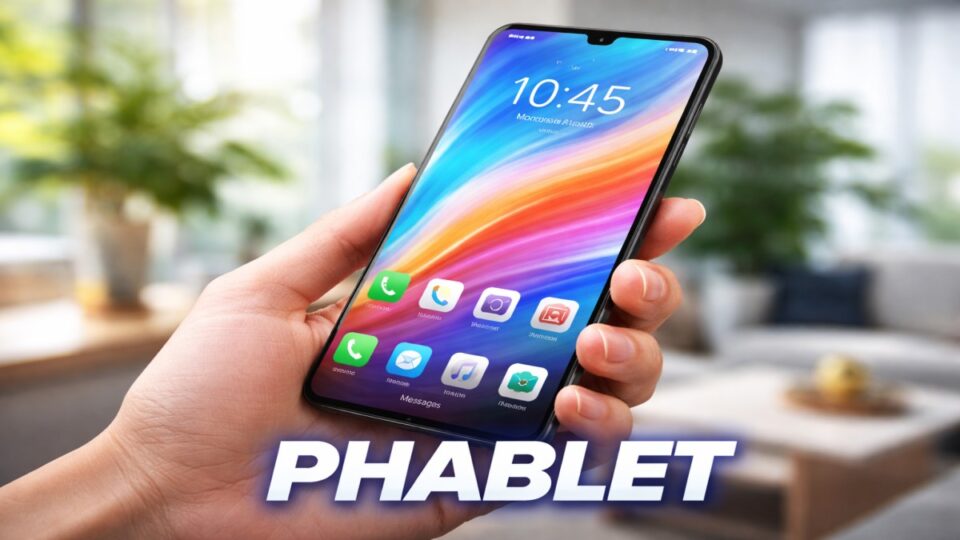
Introduction to Phablets
In the ever-evolving world of mobile technology, a unique category emerged that bridges the gap between smartphones and tablets the phablet. Combining the portability of a phone with the expansive screen of a tablet, phablets have transformed how we communicate, work, and play on the go. But what exactly is a phablet, and why are they becoming so popular? Let’s dive in.
History of the Phablet
Early Concepts and Development
The term “phablet” first appeared around 2011, derived from combining “phone” and “tablet.” Early concepts experimented with oversized smartphones that offered more screen real estate for browsing, watching videos, and multitasking.
The Rise of the Large-Screen Smartphones
Samsung’s Galaxy Note series popularized the phablet market by introducing the S-Pen stylus and large displays. Soon after, other brands, including Apple with its iPhone Plus series, followed suit, recognizing the demand for devices that could serve as mini-tablets in our pockets.
What Is a Phablet?
Size and Display Characteristics
Phablets typically feature screens ranging from 6 inches to 7 inches, making them larger than most smartphones but smaller than tablets. This size allows users to enjoy media, productivity apps, and gaming without switching devices.
Comparison with Smartphones and Tablets
| Device Type | Screen Size | Portability | Ideal Use |
|---|---|---|---|
| Smartphone | 5-6 inches | Highly portable | Calls, messages, light browsing |
| Phablet | 6-7 inches | Moderately portable | Media, multitasking, productivity |
| Tablet | 7+ inches | Less portable | Reading, watching, drawing |
Phablets strike the balance between portability and usability, offering a unique user experience.
Key Features of Modern Phablets
Display Technology
Phablets use AMOLED, Super Retina, and high-resolution displays to provide vibrant colors and crisp visuals. High refresh rates (90Hz-120Hz) ensure smooth scrolling and gaming performance.
Battery Life and Charging
With larger screens comes higher energy demand. Modern phablets often include 4500-5000mAh batteries, fast charging, and sometimes wireless charging to keep users connected all day.
Performance and Hardware
Equipped with high-end processors, ample RAM, and large storage options, phablets handle multitasking, gaming, and productivity apps effortlessly. Many even support stylus input and split-screen functionality.
Camera Capabilities
Phablets frequently feature dual or triple camera setups for photography, including ultra-wide and telephoto lenses, making them perfect for capturing both daily moments and professional-quality shots.
Advantages of Using a Phablet
Productivity Boost
The large screen allows easy document editing, note-taking, and multitasking. Stylus support on some devices enhances workflow efficiency.
Multimedia Experience
Phablets offer immersive viewing for movies, streaming, and social media. The bigger display enhances enjoyment without needing a tablet.
Gaming Benefits
Gamers love phablets for responsive touchscreens, vivid graphics, and customizable controls, providing a better experience than smaller smartphones.
Disadvantages of Phablets
Portability Issues
Phablets are bulkier than regular smartphones, making them harder to fit in pockets or hold for long periods.
Price Considerations
High-end phablets often cost more than regular smartphones, which can be a concern for budget-conscious buyers.
One-Handed Usage Challenges
Operating a 7-inch device with one hand can be tricky, especially for tasks like texting or swiping.
Popular Phablet Brands and Models
Samsung Galaxy Note Series
Known for stylus input and productivity features, the Note series remains a top choice for power users.
Apple iPhone Plus/Max Series
Apple’s large-screen iPhones combine performance, camera quality, and ecosystem integration, making them popular among iOS users.
Other Notable Phablets
Brands like OnePlus, Xiaomi, and Huawei offer competitive phablets with excellent specs at various price points.
Phablet vs. Tablet vs. Smartphone
Screen Size Comparison
Phablets fill the gap between tablets and smartphones, offering larger displays without sacrificing portability.
Use Case Scenarios
- Phone: Calls, texting, light browsing
- Phablet: Productivity, media, gaming
- Tablet: Reading, design, immersive media
Conclusion
Phablets represent the best of both worlds: smartphone portability and tablet functionality. Whether you’re a productivity enthusiast, gamer, or media lover, there’s a phablet designed to meet your needs. Choosing the right one involves balancing screen size, battery, and performance, but once you find the perfect fit, it can transform how you interact with technology.
FAQs About Phablets
1. What is the difference between a phablet and a smartphone?
A phablet has a larger screen (6-7 inches) and is designed for productivity and media, while a smartphone is smaller and primarily for calls and messaging.
2. Are phablets harder to carry?
Yes, their larger size makes them less pocket-friendly, but they offer more screen space for multitasking and media.
3. Do phablets have better cameras?
Most modern phablets have advanced camera systems with multiple lenses, often rivaling tablets and even some standalone cameras.
4. Can I use a phablet for gaming?
Absolutely. Phablets offer larger displays, responsive touch controls, and high-end processors for smooth gaming performance.
5. Are phablets more expensive than smartphones?
High-end phablets often cost more due to their larger screens and enhanced features, but mid-range options are available for budget-conscious users.
