

What Is a Water Leak Detector?
A water leak detector is a small but powerful device designed to detect unwanted water where it shouldn’t be. Think of it as a smoke detector—but for water. Instead of sensing smoke, it senses moisture. And trust me, catching water leaks early can save you thousands of dollars.
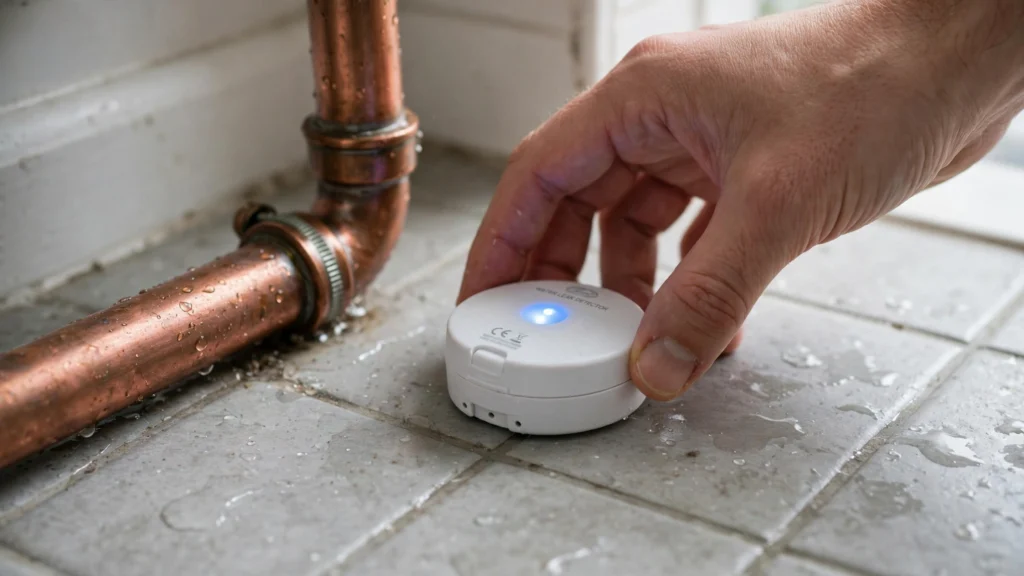
How It Works
Most water leak detectors use moisture sensors placed near appliances or plumbing fixtures. When water touches the sensor, it triggers an alarm or sends a notification to your phone. Some advanced systems even shut off your main water supply automatically.
Types of Water Leak Detector Technologies
There are two main technologies:
- Spot detection sensors – Detect water in a specific area.
- Flow-based systems – Monitor water usage and detect unusual patterns.
If your water runs continuously at 3 a.m. when everyone’s asleep? That’s a red flag.
Why Water Leaks Are a Serious Problem
You might think a small drip isn’t a big deal. But here’s the thing—it adds up.
Financial Damage
According to industry reports, water damage claims average over $10,000 per incident. That’s not pocket change.
Structural Risks
Water weakens wood, drywall, and even concrete. Over time, a small leak can compromise your home’s structure.
Mold and Health Issues
Mold can begin growing within 24–48 hours of moisture exposure. And once it spreads, it’s expensive—and unpleasant—to remove.
Types of Water Leak Detectors
Let’s break it down.
Standalone Leak Sensors
These are basic devices placed on the floor near appliances. When water touches them, they sound an alarm.
Simple. Affordable. Effective.
Smart Wi-Fi Leak Detectors
These connect to your smartphone and send real-time alerts. Some even integrate with Alexa or Google Home.
Automatic Shut-Off Systems
Now we’re talking serious protection. These systems automatically close your water valve when a leak is detected.
It’s like having a security guard for your plumbing.
Flow-Based Leak Detection Systems
Installed on your main water line, these monitor overall water usage and detect abnormal flow patterns.
Perfect for vacation homes.
How Smart Water Leak Detectors Work
Smart devices are changing the game.
Sensors and Alerts
Once moisture is detected, the device triggers an alert. You’ll get notified instantly.
Mobile App Integration
Most smart leak detectors come with companion apps. You can monitor water activity, check battery status, and test sensors.
Real-Time Notifications
Whether you’re at work or on vacation, you’ll know immediately if something’s wrong.
That’s peace of mind.
Where Should You Install a Water Leak Detector?
Placement matters.
Kitchen
Under the sink. Behind the refrigerator. Near the dishwasher.
Bathroom
Behind toilets. Under sinks. Near tubs.
Basement
Sump pumps and foundation walls are high-risk areas.
Near Water Heaters and Washing Machines
These appliances are common culprits for sudden leaks.
Key Features to Look for in a Water Leak Detector
Not all detectors are created equal.
Battery Life
Look for at least 1–2 years of battery life.
Wi-Fi Connectivity
Essential for remote monitoring.
Automatic Shut-Off
A premium feature that can prevent major flooding.
Smart Home Compatibility
Works well if you already use a smart ecosystem.
Benefits of Installing a Water Leak Detector
Why wait for disaster?
Early Detection
Catch problems before they become expensive repairs.
Peace of Mind
Sleep better knowing your home is protected.
Insurance Benefits
Some insurers offer discounts for homes with leak detection systems.
Water Leak Detector vs Water Alarm
They sound similar, but they’re not identical.
Key Differences
- Water alarm = local sound only
- Smart leak detector = app alerts + automation
Which One Should You Choose?
If you’re home most of the time, a basic alarm might work. But if you travel often? Go smart.
DIY Installation vs Professional Installation
Most standalone and Wi-Fi detectors are easy to install—just place them and connect to Wi-Fi.
Whole-house shut-off systems, however, may require professional plumbing installation.
Best Water Leak Detector: How to Choose One
The best detector for water leaks for your home depends on what you want it to do. A smart water leak detector sends a phone alert the moment it senses water, while a basic alarm just beeps in the room — useless if you are out. The wifi water leak detector models connect to your home network and work with voice assistants, while simpler models need only batteries. Pick one with a loud alarm and a long battery life first, then add smart features if your budget allows.
Water Leak Detector for Home: Where to Put Sensors
A leak detector for use at home works only if the sensors are in the right places. Put one under the kitchen sink, one behind the washing machine, one near the water heater and one in the bathroom by the toilet base — those four spots cover most household leaks. A water leak detector alarm in the basement is also worth it, because a slow leak there can go unnoticed for weeks. Place sensors flat on the floor where water would pool first, not on a shelf.
How Does a Water Leak Detector Work? The Simple Version
How does a water leak detector work? Most use two metal contacts on the bottom of the sensor: when water touches both contacts, it completes a circuit and the alarm sounds. Smart models send that signal to your phone as well, and some can shut off your water supply automatically. Flow-based detectors work differently — they watch the water meter and alert you when water flows for too long or at an unusual hour. All of them share one idea: notice the leak early, before the damage spreads.
Water Leak Detector Price: What You Pay and Why
The water leak detector price ranges from a few dollars for a simple battery alarm to $50 or more for a smart sensor with an app and automatic shut-off. A basic pack of three alarms costs less than one plumber’s call-out, and a smart system with shut-off can pay for itself by preventing a single flood. The price gap is about features, not reliability — cheap alarms detect water just as well, they simply cannot tell you about it when you are away from home.
Final Thoughts
A water leak detector might seem like a small investment. But it’s one of the smartest upgrades you can make. Water damage doesn’t knock politely—it barges in. With the right detection system, you’re prepared before disaster strikes.
Protect your home. Protect your wallet. And most importantly, protect your peace of mind.
FAQs
1. Do water leak detectors really work?
Yes. When properly installed, they detect leaks immediately and can prevent major water damage.
2. How many water leak detectors do I need?
Most homes benefit from at least 3–5 units placed near major appliances and plumbing fixtures.
3. Can a water leak detector lower insurance premiums?
Some insurance companies offer discounts for homes equipped with leak detection systems.
4. Are smart leak detectors worth it?
If you travel often or want real-time alerts, absolutely yes.
5. How long do water leak detectors last?
Most devices last 3–5 years, depending on brand and maintenance.
