
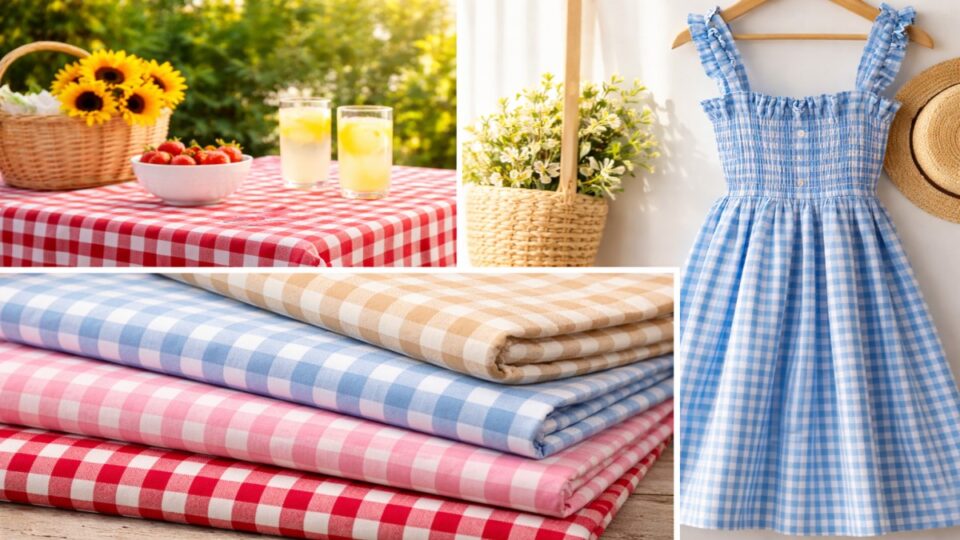
Gingham is one of those timeless patterns that instantly evokes a sense of nostalgia, charm, and effortless style. Characterized by its simple checked design, typically in two colors, gingham has been a wardrobe and home décor staple for centuries. From picnic blankets to fashion runways, this versatile pattern continues to capture hearts worldwide.
The beauty of gingham lies in its simplicity. Unlike busy prints or intricate patterns, gingham’s clean, symmetrical checks create a balanced and visually appealing design. Traditionally, gingham is made from cotton or a cotton blend, making it soft, breathable, and perfect for both clothing and home textiles.
In this article, we will explore what gingham is, its history, its uses in fashion and home décor, styling tips, and how it has remained relevant over the years.
What Is Gingham?
Gingham is a woven fabric pattern featuring small, even checks, created by overlapping stripes of colored yarn on a white background. The pattern is typically made using a plain weave, which results in a lightweight and durable fabric. Classic gingham patterns are usually seen in colors like red, blue, black, or green paired with white, though modern variations include multiple colors and larger or smaller checks.
The word “gingham” is believed to have originated from the Malay word “genggang,” meaning striped. Over time, the term evolved to refer specifically to the checkered pattern we recognize today.
History of Gingham
Gingham’s origins can be traced back to the 17th century, when it was imported into Europe from Southeast Asia. Initially, it was a striped fabric, but by the mid-18th century, European manufacturers began producing the checkered version.
Gingham became especially popular in the United States during the 19th century, where it was commonly used for workwear, aprons, and dresses. Its association with wholesome, rural life and practicality helped cement its iconic status.
Today, gingham continues to symbolize classic style, blending nostalgia with contemporary fashion trends.
Uses of Gingham in Fashion
Gingham’s versatility makes it a favorite in clothing design, ranging from casual to formal wear.
Dresses and Skirts
Gingham dresses are a timeless wardrobe staple, perfect for summer picnics or casual outings. The pattern adds a playful yet sophisticated vibe, and designers often experiment with varying check sizes and colors to create fresh looks.
Shirts and Blouses
Men’s and women’s shirts made from gingham are ideal for both casual and semi-formal settings. The pattern is subtle enough to pair with solid trousers or jeans, making it highly versatile.
Accessories
Gingham isn’t limited to clothing. Scarves, headbands, handbags, and even shoes incorporate this pattern to add a touch of charm and elegance.
Uses of Gingham in Home Décor
Gingham’s appeal extends beyond fashion into home interiors.
Kitchen and Dining
Gingham tablecloths, napkins, and aprons evoke a sense of warmth and coziness, perfect for country-style kitchens or casual dining spaces. The classic red-and-white gingham tablecloth, in particular, has become synonymous with picnics and family gatherings.
Bedding and Curtains
Lightweight gingham fabrics are ideal for curtains, bedspreads, and pillowcases. The pattern adds a cheerful, bright touch without overwhelming the space.
Decorative Accents
Cushions, throws, and even lampshades featuring gingham checks can elevate a room’s décor while maintaining a clean, organized look.
Conclusion
Gingham is more than just a fabric pattern; it’s a symbol of timeless style, comfort, and versatility. Whether featured in fashion, home décor, or accessories, gingham continues to bridge the gap between classic elegance and modern trends. Its enduring appeal lies in its simplicity, balance, and ability to adapt to evolving tastes without losing its charm.
From country kitchens to fashion runways, gingham remains a pattern that effortlessly adds character, warmth, and a touch of nostalgia wherever it appears.
FAQs About Gingham
1. What colors are most common for gingham?
Traditional gingham is often red, blue, black, or green paired with white, but modern designs use a wider color palette.
2. Is gingham suitable for formal clothing?
Yes, subtle small-check gingham shirts or dresses can work well in semi-formal or business casual settings.
3. Can gingham be used in home décor?
Absolutely. Gingham is popular for tablecloths, curtains, cushions, and bedding, especially for casual or country-style interiors.
4. How do I care for gingham fabric?
Wash in cold water, iron on low heat, avoid bleach, and store neatly to maintain the pattern’s sharpness.
5. Is gingham still fashionable today?
Yes, designers continually reimagine gingham in modern cuts, colors, and mixed-pattern ensembles, keeping it stylish and relevant.
