
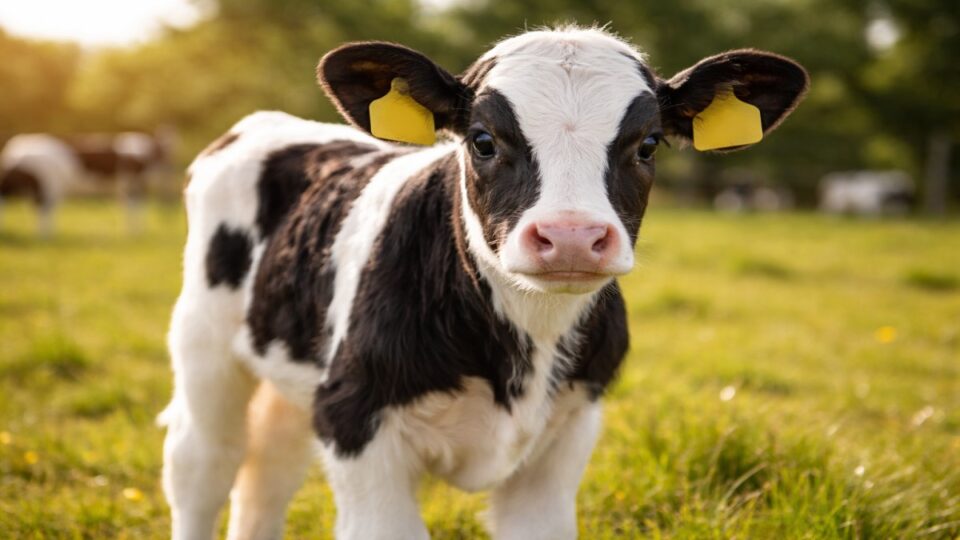
A baby cow, commonly known as a calf, is one of the most endearing and fascinating animals on a farm. Calves are young bovines, usually born after a nine-month gestation period, and they represent the start of life in dairy or beef farming. From their soft fur and curious behavior to their essential role in agriculture, calves are both adorable and economically significant.
Calves require careful attention in their early stages of life. They are highly dependent on their mothers or human caretakers for nutrition, warmth, and protection. Understanding their behavior, dietary needs, and health is essential for farmers, animal lovers, and anyone interested in bovine life.
What Is a Baby Cow?
A baby cow, or calf, is a young bovine that has not yet reached maturity. Calves can be born as either dairy or beef breeds, and they exhibit different characteristics depending on their breed. Newborn calves are typically small, weighing between 60 to 100 pounds, and are highly dependent on milk for their early nutrition.
Calves are also known for their playful nature. They often explore their surroundings, interact with other calves, and exhibit behaviors that help them develop strength and social skills.
Types of Calves
Calves are generally classified based on the purpose of the breed:
- Dairy calves – Born from cows bred for milk production. These calves may be raised for dairy farming or sold to other farms.
- Beef calves – Born from cows bred for meat production. They are usually raised to reach optimal size and weight for the beef industry.
- Male and female calves – Male calves, or bulls, may be raised for breeding or meat, while female calves, or heifers, are often raised for dairy production.
Care and Nutrition of Baby Cows
Caring for a calf is critical for its health and development.
1. Feeding
Newborn calves rely primarily on colostrum, the nutrient-rich first milk from their mother, which provides antibodies and essential nutrients. After the first few days, they gradually transition to regular milk or milk replacer. By weaning age, usually around 8 to 12 weeks, calves start eating solid feed such as hay, grains, and calf starter pellets.
2. Shelter
Calves need warm, dry, and clean shelters, especially in their first few weeks of life. Proper bedding, ventilation, and protection from extreme weather are crucial to prevent illness.
3. Health Care
Regular health checks are essential. Vaccinations, parasite control, and monitoring for signs of illness like diarrhea or lethargy are standard practices. Healthy calves grow faster and are more likely to thrive into productive adult cows.
Behavior and Development
Calves are naturally curious and playful. They begin exploring their environment shortly after birth, often following their mothers closely. Social interaction is vital for calves, as it teaches them communication, hierarchy, and problem-solving skills.
In their first year, calves experience rapid growth, with proper care ensuring they develop strong bones, muscles, and a healthy digestive system. Their development sets the stage for their role in dairy or beef farming later in life
Conclusion
A baby cow is more than just a cute farm animal—it represents the future of agriculture, whether for milk or beef production. Understanding calf care, nutrition, and behavior ensures that these young animals grow healthy and strong. Their playful nature, rapid growth, and essential role in farming make them fascinating creatures that deserve attention and care.
Whether you are a farmer, animal lover, or simply curious, calves provide insight into the early stages of bovine life and the intricate balance of farm ecosystems.
FAQs
1. How long do calves stay with their mothers?
Calves typically stay with their mothers for the first few days to weeks, depending on farm practices and weaning schedules.
2. What do baby cows eat besides milk?
After a few weeks, calves gradually eat solid feeds such as hay, grains, and specialized calf starter pellets.
3. How quickly do calves grow?
Calves experience rapid growth in their first year, with proper nutrition and care crucial for healthy development.
4. Are male and female calves treated differently?
Yes, female calves are often raised for dairy production, while male calves may be raised for beef or breeding purposes.
5. How can you tell if a calf is healthy?
Healthy calves are active, alert, have clear eyes, and a smooth coat. Monitoring weight gain and appetite is also important.
