
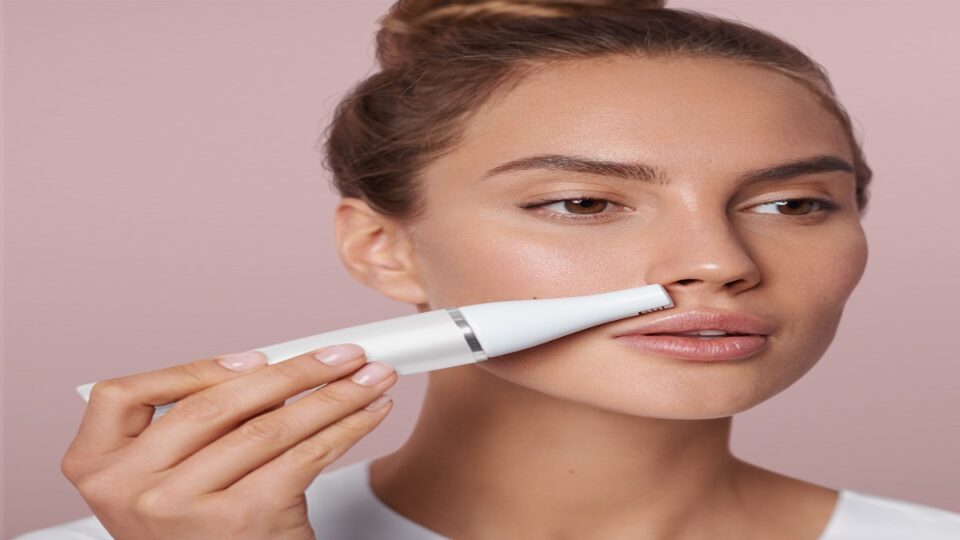
Facial hair is completely natural but let’s be honest, not everyone loves it. Whether it’s peach fuzz, upper-lip hair, chin hair, or thicker growth caused by hormones, facial hair removal is a personal choice rooted in comfort, confidence, and skincare goals.
The good news? There’s no one-size-fits-all approach. From quick at-home fixes to long-term professional treatments, this guide breaks down every facial hair removal method, their pros and cons, and how to choose what’s right for your skin.
Let’s get into it.
What Is Facial Hair?
Facial hair includes any hair that grows on areas such as:
- Upper lip
- Chin
- Jawline
- Cheeks
- Sideburns
- Forehead (peach fuzz)
Some hair is fine and light, while other hair may be coarse and dark. Both are normal.
Why Do People Remove Facial Hair?
People remove facial hair for many reasons, including:
- Smoother makeup application
- Skincare absorption
- Personal preference
- Cultural or social norms
- Medical reasons (like PCOS)
There’s no right or wrong—it’s about what makes you feel good.
Common Causes of Facial Hair Growth
Understanding why facial hair grows helps in choosing the right solution.
Main causes
- Hormonal imbalance
- Genetics
- Polycystic Ovary Syndrome (PCOS)
- Menopause
- Certain medications
In many cases, facial hair growth is completely hereditary.
Types of Facial Hair
1. Peach Fuzz (Vellus Hair)
- Fine, light, soft hair
- Covers most of the face
2. Terminal Hair
- Thick, dark, coarse hair
- Common on chin and upper lip
Different hair types respond differently to removal methods.
Facial Hair Removal Methods Overview
Facial hair removal methods fall into three categories:
- Temporary methods (shaving, waxing, threading)
- Semi-permanent methods (laser)
- Permanent methods (electrolysis)
Each comes with its own benefits.
Shaving Facial Hair
Yes—shaving your face is totally safe.
Pros
- Quick and painless
- No downtime
- Budget-friendly
Cons
- Needs frequent repetition
- Risk of irritation if done incorrectly
💡 Myth busted: Shaving does not make hair grow back thicker.
Waxing Facial Hair
Waxing removes hair from the root.
Pros
- Smooth skin for weeks
- Slower regrowth
Cons
- Painful for some
- Can irritate sensitive skin
Best for upper lip, chin, and jawline.
Threading Facial Hair
Threading uses twisted cotton thread to remove hair.
Pros
- Precise
- Chemical-free
- Ideal for eyebrows and upper lip
Cons
- Slight discomfort
- Requires skill
Great for shaping and detailed areas.
Hair Removal Creams for Face
Also called depilatory creams.
Pros
- Painless
- Easy to use
- Quick results
Cons
- May cause chemical irritation
- Strong smell
Always use creams specifically designed for the face.
Epilators for Facial Hair
Epilators pull hair from the root mechanically.
Pros
- Long-lasting results
- One-time investment
Cons
- Painful initially
- Not ideal for very sensitive skin
Best for coarse hair with regular use.
Laser Facial Hair Removal
Laser targets hair follicles with light energy.
Pros
- Long-term reduction
- Less regrowth over time
- Smooth results
Cons
- Expensive
- Requires multiple sessions
- Less effective on very light hair
Ideal for those looking for long-term solutions.
Electrolysis for Facial Hair
The only FDA-approved permanent hair removal method.
Pros
- Permanent results
- Works on all hair types
Cons
- Time-consuming
- Costly
- Slight discomfort
Best for stubborn facial hair.
Natural Facial Hair Removal Remedies
While not permanent, some people prefer natural options.
Popular home remedies
- Turmeric and milk
- Sugar and lemon paste
- Papaya and turmeric
- Gram flour (besan) masks
Results are slow and vary by individual.
Conclusion
Facial hair removal is a deeply personal journey. With so many methods available—from quick fixes like shaving to long-term solutions like laser and electrolysis—you have complete control over what works best for your skin, lifestyle, and comfort.
There’s no “perfect” method—only the one that makes you feel confident, comfortable, and happy in your own skin.
FAQs About Facial Hair Removal
1. Is facial hair removal safe for skin?
Yes, when done correctly and with proper aftercare.
2. Does shaving facial hair make it thicker?
No. Hair only appears thicker because of blunt ends.
3. What is the best facial hair removal method for women?
It depends on hair type and skin sensitivity—threading and laser are popular.
4. Can facial hair removal cause acne?
Yes, if skin is irritated or bacteria enters open pores.
5. How often should I remove facial hair?
Every 1–3 weeks, depending on the method used.
