
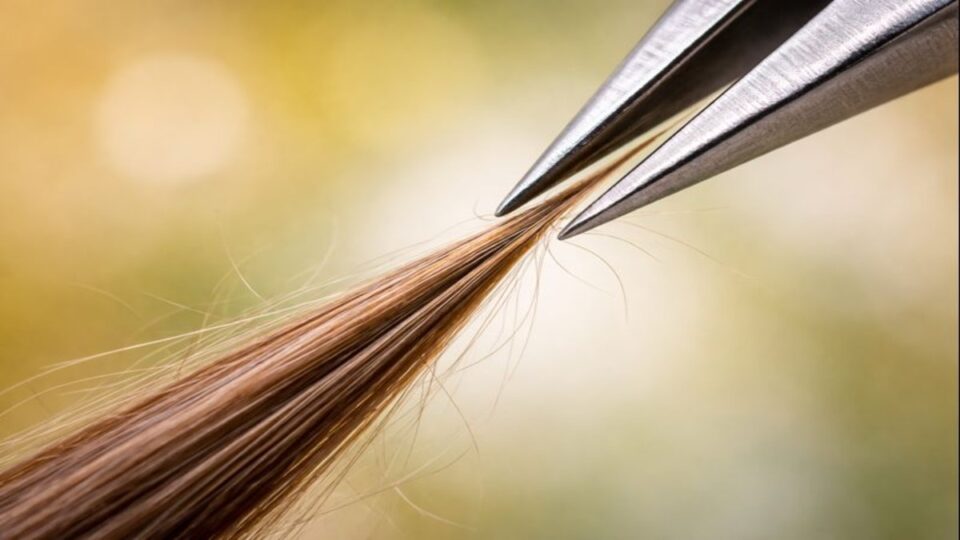
What Does Splitting Hairs Mean?
Definition of Splitting Hairs
The phrase splitting hairs refers to focusing on tiny, often insignificant details while ignoring the bigger picture. It’s what happens when someone argues over minutiae instead of the main point—making a mountain out of a molehill, so to speak.
Literal vs Figurative Meaning
Literally, splitting a hair is nearly impossible because of how thin hairs are. Figuratively, it represents unnecessary precision or over-analysis, often used to describe overly meticulous arguments.
Origin and Etymology
Historical Background
The expression dates back to the 17th century. It originally described extremely fine distinctions or trivial points, often in legal or philosophical debates.
How the Phrase Evolved
Over time, “splitting hairs” shifted from a literal image to a metaphor for nitpicking or pedantry in everyday conversation. Today, it’s widely used in both casual and professional contexts.
Splitting Hairs in Everyday Language
Common Situations
People often split hairs when debating minor facts, correcting grammar unnecessarily, or overemphasizing insignificant differences.
Conversations and Arguments
In casual discussions, hair-splitting can frustrate listeners. While attention to detail is valuable, it can distract from resolving the main issue.
Psychological Perspective
Why People Split Hairs
Hair-splitting behavior often stems from perfectionism or a desire for control. People may feel that pointing out small errors demonstrates knowledge or competence.
Overthinking and Perfectionism
Excessive focus on minor details can lead to overthinking. While thoroughness is good, overdoing it creates stress and delays decision-making.
Splitting Hairs in Law and Politics
Legal Nuances
In law, splitting hairs can have serious consequences. Lawyers often debate fine distinctions in wording to interpret legislation or contracts. While it seems trivial, these details can impact rulings significantly.
Legislative and Policy Arguments
Politicians also split hairs when discussing policy language. Legal precision is important, but focusing excessively on semantics can hinder meaningful progress.
Pros and Cons of Splitting Hairs
Positive Aspects
- Ensures accuracy and reduces mistakes
- Promotes attention to detail in technical fields
- Strengthens analytical thinking
Negative Consequences
- Can slow down decision-making
- May frustrate others and cause conflict
- Risks losing sight of the main goal
Cultural Views on Splitting Hairs
Western Perspectives
In Western cultures, hair-splitting is often seen as pedantic or nitpicking, although it is valued in law, science, and finance.
Eastern Perspectives
Some Eastern cultures view careful attention to detail as a virtue, particularly in education and craftwork. However, excessive hair-splitting can still be discouraged in social interactions.
Splitting Hairs in Writing and Editing
Grammar and Style
Editors sometimes split hairs over punctuation, word choice, or sentence structure. Precision improves clarity, but over-correction can stifle creativity.
Precision vs Pedantry
The key is balance: aim for accuracy without becoming obsessive over minor imperfections.
Tips to Avoid Unnecessary Hair-Splitting
Communication Strategies
- Focus on main points rather than minor details
- Listen actively to understand context
- Ask whether a correction or debate matters to the outcome
Focusing on the Bigger Picture
Remind yourself of the overall goal. If a tiny distinction doesn’t change the result, it may not be worth arguing over.
Real-Life Examples of Hair-Splitting
Workplace Scenarios
Team members may argue over the wording of emails or reports, delaying projects unnecessarily. Recognizing when details truly matter is essential.
Academic or Intellectual Contexts
Students and scholars often split hairs over theoretical distinctions. While sometimes necessary for precision, over-analysis can overshadow the main research findings.
Conclusion
Splitting hairs is a common behavior across personal, professional, and academic life. While attention to detail is valuable, excessive hair-splitting can distract, frustrate, and delay outcomes. Understanding when to focus on details—and when to prioritize the bigger picture—is the key to effective communication, decision-making, and problem-solving.
FAQs
What does “splitting hairs” mean?
It means focusing on minor, often insignificant details instead of the main issue.
Is splitting hairs always negative?
Not always. It can ensure accuracy and prevent mistakes but can be counterproductive if overdone.
Why do people split hairs?
Often due to perfectionism, overthinking, or a desire to assert expertise.
Can splitting hairs be useful?
Yes, in law, editing, science, and technical fields, hair-splitting ensures precision.
How can I avoid unnecessary hair-splitting?
Focus on main goals, prioritize key details, and ask whether the point truly matters to the outcome.
