
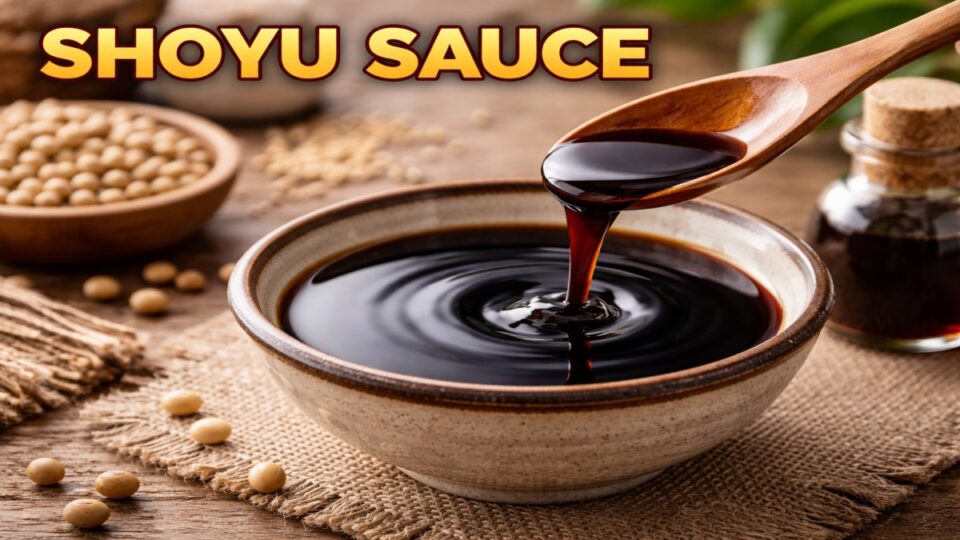
Introduction to Shoyu Sauce
What Is Shoyu Sauce?
Shoyu sauce is Japan’s iconic soy-based seasoning, deeply woven into the country’s culinary DNA. While many people casually call it “soy sauce,” shoyu is far more refined and balanced. It’s brewed, not just mixed. Think of it as the difference between freshly baked bread and factory-made toast—both are bread, but only one tells a story.
Why Shoyu Sauce Is More Than Just Soy Sauce
Shoyu isn’t just salty liquid in a bottle. It’s umami in motion. It adds depth, aroma, and a savory backbone to dishes without overpowering them. A few drops can turn something simple into something memorable.
The Origins and History of Shoyu Sauce
Ancient Roots in East Asia
The origins of shoyu trace back over 2,000 years to fermented soybean pastes in ancient China. These early seasonings laid the foundation for what would eventually evolve into Japanese shoyu.
How Shoyu Evolved in Japan
When fermentation techniques reached Japan around the 7th century, local brewers refined them using wheat, creating a smoother and slightly sweeter sauce. This adaptation marked the birth of shoyu as we know it today.
Influence of Buddhism and Trade
Buddhist monks played a major role in spreading fermentation knowledge, while trade routes helped improve brewing techniques. Over time, shoyu became a household staple across Japan.
What Makes Shoyu Sauce Unique
Shoyu vs Regular Soy Sauce
Regular soy sauce can be harsh and one-dimensional. Shoyu, on the other hand, offers balance—salty, sweet, tangy, and umami all dancing together like a well-rehearsed orchestra.
Flavor Profile Explained
Shoyu delivers a complex taste with mild sweetness, fermented depth, and a lingering savory finish.
Umami, Aroma, and Color
Its reddish-brown color, toasty aroma, and umami punch come from wheat fermentation and long aging.
Types of Shoyu Sauce
Koikuchi Shoyu
The most common type, used in about 80% of Japanese cooking. Rich, aromatic, and versatile.
Usukuchi Shoyu
Lighter in color but saltier in taste. Perfect for preserving the natural color of ingredients.
Tamari Shoyu
Thicker and less wheat-heavy. Often gluten-free and ideal for sashimi.
Shiro Shoyu
Very light and sweet, made with mostly wheat. Used in delicate dishes.
Saishikomi Shoyu
Double-brewed for extra richness. Bold, dark, and luxurious.
Ingredients Used in Traditional Shoyu
Soybeans
Provide protein and deep umami.
Wheat
Adds sweetness and aroma.
Salt and Water
Essential for fermentation and preservation.
The Role of Koji Mold
Koji mold is the magic starter that breaks down proteins into amino acids, creating umami.
How Shoyu Sauce Is Made
Fermentation Process Step by Step
Cooked soybeans and roasted wheat are inoculated with koji mold, mixed with saltwater, and fermented into moromi.
Aging and Brewing Time
Traditional shoyu ferments for 6 months to 2 years.
Artisanal vs Industrial Production
Artisanal shoyu is slower, richer, and more complex, while industrial versions prioritize speed.
Nutritional Value of Shoyu Sauce
Calories and Macronutrients
Low in calories and fat-free.
Sodium Content Explained
High in sodium, so moderation is key.
Is Shoyu Healthy?
Yes, in small amounts. It contains antioxidants and amino acids.
Culinary Uses of Shoyu Sauce
Everyday Japanese Cooking
Used in soups, noodles, stir-fries, and rice dishes.
Marinades, Dips, and Sauces
Perfect for meat, tofu, and vegetables.
Shoyu in Modern Fusion Cuisine
Chefs worldwide use shoyu in burgers, pasta, and even desserts.
Shoyu Sauce in Global Cooking
Western Dishes Enhanced by Shoyu
A splash in stews or gravies adds depth.
Vegetarian and Vegan Recipes
A plant-based umami booster.
Shoyu Sauce vs Other Asian Sauces
Shoyu vs Tamari
Tamari is thicker and less wheaty.
Shoyu vs Chinese Soy Sauce
Chinese soy sauce is saltier and less aromatic.
Shoyu vs Fish Sauce
Fish sauce is pungent; shoyu is mellow.
How to Choose the Best Shoyu Sauce
Reading Labels Like a Pro
Look for simple ingredients and natural fermentation.
Organic vs Regular Shoyu
Organic offers cleaner flavor and no additives.
What Chefs Recommend
Naturally brewed, aged shoyu—always.
How to Store Shoyu Sauce Properly
Shelf Life and Storage Tips
Keep it sealed, away from heat.
Refrigeration Myths
Refrigeration extends freshness but isn’t mandatory.
Conclusion
Shoyu sauce isn’t just a condiment—it’s a living tradition. From ancient fermentation vats to modern kitchens worldwide, shoyu continues to connect people through flavor. One bottle holds centuries of craftsmanship, patience, and passion. Use it wisely, and it will reward you every time.
FAQs
1. Is shoyu sauce gluten-free?
Not always. Tamari is usually gluten-free, but regular shoyu contains wheat.
2. Can shoyu sauce replace soy sauce?
Yes, and often it’s a better choice for balanced flavor.
3. How much shoyu should I use?
A little goes a long way—start small.
4. Does shoyu sauce expire?
It lasts long but tastes best within a year of opening.
5. Is shoyu sauce vegan?
Yes, traditional shoyu is plant-based.
