
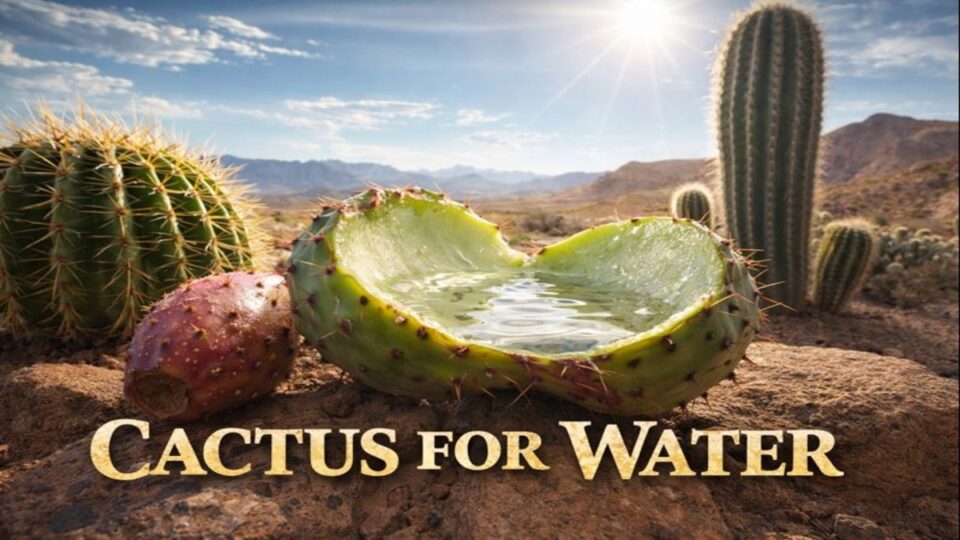
Introduction to Cactus Water Storage
Why Cactus Survive Where Others Die
Cactus for Water. Imagine being dropped into the middle of a desert. No rivers, no rain, just endless sand and burning sun. You’d last hours. A cactus? It lives there happily for decades. That’s because cactus plants are nature’s water tanks quiet heroes that drink once and survive forever.
The Myth of Drinking Cactus Water
Movies show thirsty travelers slicing open a cactus and gulping down sweet water. Sounds refreshing, right? Sadly, that’s mostly fiction. Many cactus contain bitter or even toxic fluids. But that doesn’t mean cactus have nothing to teach us about water survival.
How Cactus Store Water
Specialized Tissues Inside the Stem
Unlike leafy plants, cactus store water in their thick stems. These tissues act like giant sponges, absorbing rain quickly and holding it tightly for months.
The Role of Mucilage
Inside the cactus is a slimy gel called mucilage. It binds water like glue, slowing evaporation. Think of it as bubble wrap for moisture.
Anatomy of a Water-Storing Cactus
Thick Skins and Waxy Coatings
The skin of a cactus is like a waterproof jacket. The waxy layer prevents precious water from escaping.
Accordion-Like Expansion
Ever seen a cactus after rain? It swells like a balloon. Those ribbed folds expand and contract depending on water levels.
Types of Cactus That Hold the Most Water
Barrel Cactus
These round giants can store hundreds of liters — but don’t drink from them unless you enjoy nausea.
Saguaro
The iconic desert skyscraper can weigh several tons after heavy rain.
Prickly Pear
This one is special — its pads and fruits are actually safe for human consumption when prepared properly.
Is Cactus Water Safe to Drink?
Which Species Are Toxic
Barrel cactus and many wild species contain alkaloids that cause vomiting and diarrhea.
Survival Myths vs. Reality
In survival situations, eating cactus fruit is safer than drinking stem water.
How Desert Cultures Use Cactus for Hydration
Indigenous Knowledge
Native American tribes used cactus fruits, not raw stem water, to hydrate and nourish.
Traditional Methods of Extraction
Fruits were crushed, filtered, and mixed with other plants for safe hydration.
Modern Uses of Cactus Water
Cactus Water Beverages
Today, bottled cactus water is trendy. It’s made from prickly pear juice — filtered, safe, and refreshing.
Cosmetics and Skin Hydration
Cactus extracts are now used in creams for intense moisture retention.
Growing Cactus as a Natural Water Reserve
Best Conditions for Water Storage
Bright sunlight, low humidity, and minimal watering encourage strong storage capacity.
Soil and Drainage Needs
Fast-draining sandy soil is key. Too much water kills them faster than drought.
How to Harvest Water from Cactus Safely
Emergency Survival Techniques
If desperate, use prickly pear pads, remove spines, boil the pulp, and filter the liquid.
What Never to Do
Never drink raw cactus fluid unless you know the species.
Environmental Importance of Water-Storing Cacti
Preventing Desertification
Cactus stabilize soil and conserve moisture in dry lands.
Supporting Wildlife
Birds and animals rely on cactus fruits during drought.
Myths and Misunderstandings
Movie vs. Real-Life Survival
That cowboy slicing open a cactus? He’d be hugging the ground ten minutes later.
Choosing the Right Cactus for Home Use
Low-Maintenance Varieties
Prickly pear, golden barrel, and moon cactus are beginner-friendly.
Indoor vs. Outdoor Growing
Indoors? Choose small species with bright light.
Conclusion
Cactus are not walking water bottles — but they are brilliant examples of how life adapts to extremes. They teach us resilience, efficiency, and respect for every drop. Whether in survival science, skincare, or home gardens, cactus continue to shape how we think about water.
FAQs
1. Can I drink water from any cactus?
No, many are toxic.
2. Which cactus is safest for hydration?
Prickly pear fruit and pads.
3. How long can cactus survive without rain?
Some survive years using stored water.
4. Is cactus water better than coconut water?
It’s different — lighter and lower in sugar.
5. Can I grow cactus as emergency water storage?
Yes, but only specific edible species.
