
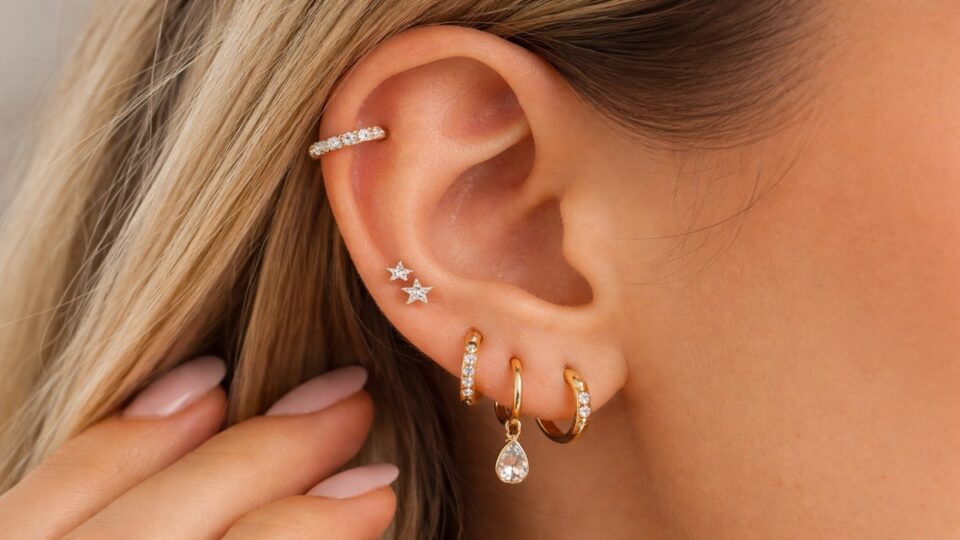
What Is Ear Piercing?
Ear piercing is the process of creating a small hole in the ear—usually the earlobe or cartilage to wear jewelry. Simple, right? Yet behind that tiny hole lies a blend of art, anatomy, and self-expression.
Some people get pierced for fashion. Others for cultural, religious, or emotional reasons. Whatever the motivation, ear piercing is one of the most common body modifications worldwide.
A Brief History of Ear Piercing
Ear piercing isn’t a modern trend—it’s ancient. Archaeological evidence shows pierced ears dating back over 5,000 years. From royalty to warriors, earrings symbolized wealth, status, spirituality, and even protection from evil spirits.
Fast-forward to today, and ear piercing has evolved into a form of personal storytelling. Each piercing says something subtle or loud—about who you are.
Why People Choose Ear Piercing
Why do people still love ear piercings?
- Self-expression
- Cultural or religious tradition
- Fashion and aesthetics
- Symbolic milestones
- Confidence boost
Think of it like punctuation for your personality—small, but powerful.
Types of Ear Piercings
Let’s break down the most popular ear piercing styles.
Earlobe Piercing
- Pain level: Low
- Healing time: 6–8 weeks
- Best for: Beginners
This is the classic starter piercing. Soft tissue, quick healing, minimal fuss.
Helix Piercing
- Location: Upper outer cartilage
- Pain level: Medium
- Healing time: 3–6 months
Stylish and versatile, helix piercings are a favorite for stacking earrings.
Tragus Piercing
- Location: Small flap in front of the ear canal
- Pain level: Medium to high
- Healing time: 3–6 months
Tiny but bold. Tragus piercings look subtle yet edgy.
Daith Piercing
- Location: Inner cartilage fold
- Pain level: Medium
- Healing time: 6–9 months
Some people claim daith piercings help with migraines—evidence is mixed, but the style is undeniable.
Industrial Piercing
- Location: Two cartilage holes connected by one bar
- Pain level: High
- Healing time: 6–12 months
This one’s for the brave. Striking, but requires serious aftercare.
Conch Piercing
- Location: Inner or outer conch
- Pain level: Medium
- Healing time: 6–9 months
Perfect for hoops and statement jewelry.
Other Popular Variations
- Rook
- Snug
- Anti-helix
- Forward helix
Each comes with its own vibe and healing needs.
Ear Piercing Pain Levels Explained
Pain is subjective. What feels like a pinch to one person might feel intense to another. Generally:
- Lobe: Mild sting
- Cartilage: Sharp pressure
- Multiple piercings: Cumulative soreness
Good news? The pain is quick. The confidence lasts longer.
Ear Piercing Healing Time by Type
Healing isn’t instant—it’s a process.
- Earlobe: 6–8 weeks
- Helix/Tragus: 3–6 months
- Daith/Conch: 6–9 months
- Industrial: Up to 12 months
Healing depends on aftercare, jewelry quality, and your body.
Ear Piercing Methods
Needle Piercing
- More precise
- Less trauma
- Preferred by professionals
Piercing Gun
- Faster
- Common for lobes
- Not recommended for cartilage
If you want accuracy and safety, needles win—hands down.
Best Age for Ear Piercing
There’s no universal “right age.” Some cultures pierce ears in infancy, others wait until adolescence or adulthood.
What matters most:
- Consent
- Hygiene
- Proper aftercare
Choosing the Right Jewelry
Start smart. Your first jewelry should be:
- Hypoallergenic (gold, titanium, surgical steel)
- Lightweight
- Smooth-backed
Avoid cheap metals—they’re irritation magnets.
Ear Piercing Aftercare Guide
Aftercare is non-negotiable.
- Clean twice daily with saline
- Don’t twist or touch unnecessarily
- Avoid swimming in dirty water
- Sleep carefully
Treat it like a tiny wound—because it is.
Common Ear Piercing Problems & Solutions
- Redness: Normal at first
- Swelling: Use cold compress
- Itching: Don’t scratch
- Bumps: Continue gentle cleaning
Patience beats panic.
Signs of Infection You Shouldn’t Ignore
See a professional if you notice:
- Severe pain
- Thick yellow or green discharge
- Fever
- Spreading redness
Early action prevents complications.
Myths and Facts About Ear Piercing
- ❌ “Twist your earrings daily” – Myth
- ❌ “Piercing guns are always safe” – Myth
- ✅ “Aftercare matters more than pain” – Fact
Ear Piercing for Sensitive Skin
If your skin reacts easily:
- Use nickel-free jewelry
- Clean consistently
- Avoid scented products
Sensitive skin needs gentle love.
When to Change Earrings Safely
Wait until:
- Pain is gone
- No discharge
- Healing time has passed
Rushing = irritation.
Conclusion
Ear piercing is more than a trend—it’s a form of self-expression that blends culture, style, and individuality. Whether you’re getting your first lobe piercing or planning a curated ear, knowledge is your best accessory. Take care of your piercing, listen to your body, and wear your style with confidence.
FAQs About Ear Piercing
1. Does ear piercing hurt a lot?
Pain is brief and manageable, especially for lobe piercings.
2. How long should I clean my piercing?
At least until fully healed—often longer for cartilage.
3. Can I sleep on a new ear piercing?
Avoid pressure for the first few weeks.
4. What’s the safest metal for earrings?
Titanium and solid gold are top choices.
5. Can I remove my piercing if I don’t like it?
Yes, but wait until initial healing to avoid scarring.
