
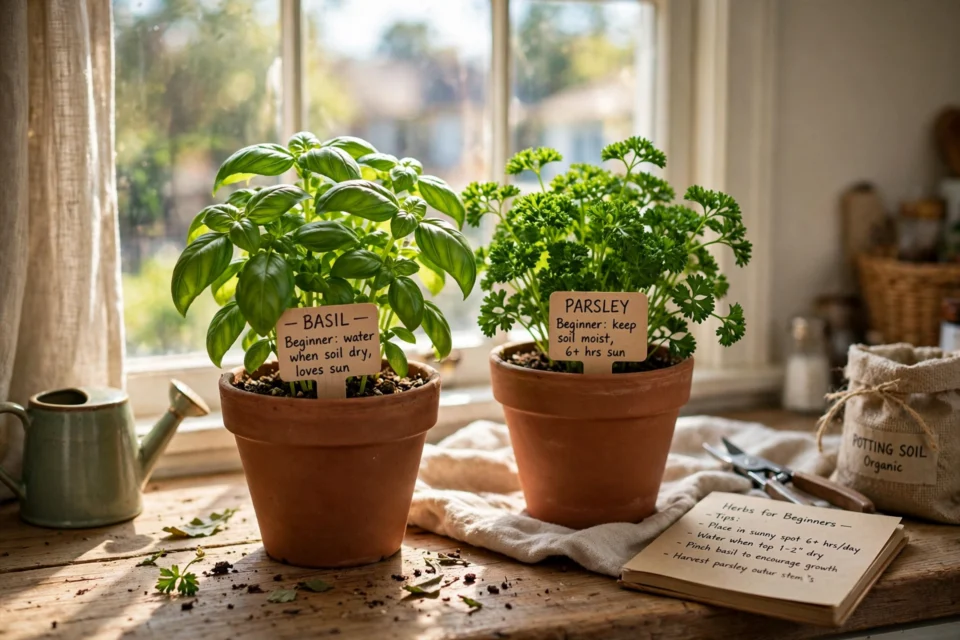
How to Take Care of Indoor Plants for Beginners: A Simple Guide That Actually Works
Learning how to take care of indoor plants for beginners is easier than it looks. With the right light, a simple watering routine, and a little patience, even first-time plant owners can keep their houseplants healthy and green. This guide covers the basics step by step, so you can enjoy the calm, fresh feeling plants bring to a home without feeling overwhelmed.
Start With Beginner-Friendly Plants
If you are new to indoor plant care, start with plants that forgive small mistakes. Snake plants, pothos, spider plants, and ZZ plants are among the best indoor plants for beginners because they tolerate low light and occasional missed watering. Choose one or two plants first, learn how they respond in your home, and add more only when you feel confident.
Give Your Plants the Right Light
Light is one of the most important indoor plant care tips, yet it is also the easiest to get wrong. Most houseplants prefer bright, indirect light — near a window, but out of harsh direct sun that can scorch leaves. Watch your plant for clues: pale, leggy growth often means it needs more light, while brown, crispy leaf edges can mean too much direct sun. Move the plant gradually and give it a week or two to adjust before moving it again.
Watering Indoor Plants Correctly
Overwatering is the most common beginner mistake. When watering indoor plants, check the soil first: push a finger about an inch into the soil, and water only if it feels dry. Water slowly until a little drains from the bottom, then empty the saucer so the roots are not sitting in water. Most indoor plants prefer to dry out slightly between waterings, and they need less water in winter when growth slows down.
Checking your plants can become part of a simple morning routine — a quick look at the soil and leaves each day helps you spot problems early, before they become serious.
Choose the Right Pot and Soil
A pot with drainage holes is essential, because roots that sit in standing water can rot. Use a light, well-draining potting mix rather than heavy garden soil, which can stay wet for too long indoors. Repot only when the plant has clearly outgrown its pot, such as roots growing out of the drainage holes, and choose a new pot just one size larger.
Feed, Clean, and Prune Gently
Indoor plants do not need much feeding. A balanced liquid houseplant fertiliser once a month during spring and summer is usually enough, and it is best to skip feeding in winter. Wipe dusty leaves with a damp cloth so they can absorb light properly, and trim yellow or dead leaves with clean scissors. Small, regular care keeps plants tidy and encourages healthy new growth.
Avoid Common Indoor Plant Mistakes
Some common indoor plant mistakes are easy to avoid once you know them: watering on a fixed schedule instead of checking the soil, placing plants in a dark corner, using pots without drainage, and moving plants around too often. Plants like stability, so find a good spot, settle into a simple routine, and let them adjust.
A Simple Weekly Care Checklist
- Check soil moisture before watering.
- Look at leaves for yellowing, pests, or dust.
- Rotate the pot a quarter turn so growth stays even.
- Empty saucers after watering.
- Note anything unusual, so you can act early next week.
Conclusion
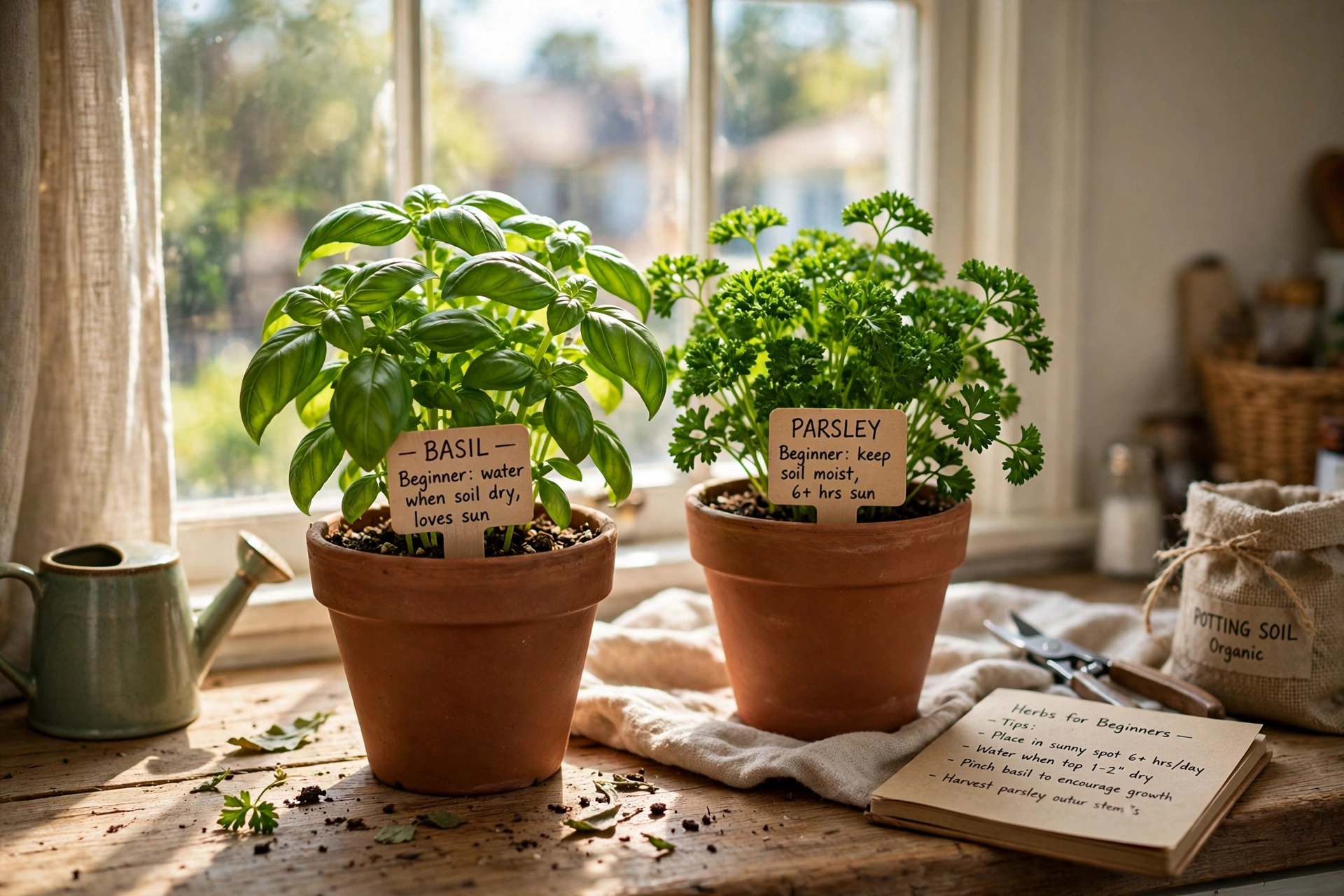
Good indoor plant care is mostly about paying attention: the right light, careful watering, and a steady routine. Start small, choose forgiving plants, and learn from each one. Before long, caring for your indoor plants will feel like a simple, enjoyable habit — and your home will look and feel fresher for it.
