
Introduction to Kalonji (Nigella)
What is Kalonji?
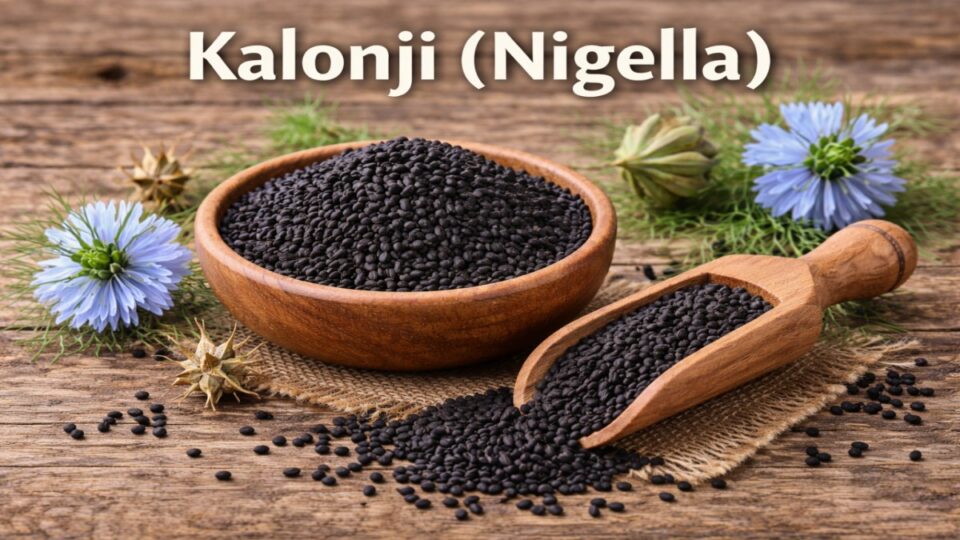
Kalonji, commonly known as black seed, is a tiny black spice that packs a serious punch. Scientifically called Nigella sativa, this small seed has been used for centuries in cooking and traditional medicine. Don’t let its size fool you. These little black seeds are like nature’s secret weapon.
You might have seen kalonji sprinkled on naan bread or mixed into pickles. But beyond flavor, it offers remarkable health benefits that have made it famous across cultures.
Scientific Name and Origin
Kalonji comes from the plant Nigella sativa, native to South Asia, the Middle East, and parts of North Africa. The plant produces delicate pale blue flowers, and inside its fruit pods are the tiny black seeds we call kalonji.
Historical and Cultural Significance
Use in Ancient Civilizations
Kalonji isn’t just another spice. It has a history stretching back over 2,000 years. Seeds were even discovered in the tomb of Tutankhamun. That’s how valuable it was considered in ancient Egypt.
Importance in Traditional Medicine Systems
In traditional systems like Unani and Ayurveda, kalonji has been described as a remedy for various ailments. It has long been praised for supporting overall wellness and strengthening the body’s defenses.
Nutritional Profile of Kalonji
Key Nutrients
Kalonji seeds contain:
- Healthy fats
- Protein
- Fiber
- Iron
- Calcium
- Zinc
- Vitamins A, B, and C
Think of it as a compact nutrition capsule straight from nature.
Active Compounds (Thymoquinone)
The real magic lies in a compound called thymoquinone. This bioactive component is responsible for many of kalonji’s antioxidant and anti-inflammatory properties.
Health Benefits of Kalonji
Boosts Immunity
Ever feel like your immune system needs a reset? Kalonji acts like a shield. Thanks to its antioxidants, it helps your body fight off harmful invaders.
Supports Heart Health
Kalonji may help maintain healthy cholesterol levels and improve blood circulation. A healthy heart means better energy and longevity.
Regulates Blood Sugar
Some studies suggest kalonji may help stabilize blood sugar levels. For people managing glucose concerns, this can be a valuable addition to a balanced diet.
Improves Digestion
Struggling with bloating or indigestion? Kalonji supports digestive enzymes and reduces gas. It’s like giving your stomach a gentle tune-up.
Anti-Inflammatory Properties
Chronic inflammation is linked to many health issues. Kalonji’s anti-inflammatory effects help calm the body naturally.
Kalonji for Hair Health
Promotes Hair Growth
Kalonji oil is often used to stimulate hair follicles. Massaging the oil into your scalp improves blood flow, encouraging thicker, healthier hair.
Reduces Hair Fall
Its nutrient-rich profile strengthens hair roots, reducing breakage and hair fall. Think of it as fertilizer for your scalp.
Kalonji for Skin Care
Fights Acne
Thanks to its antibacterial properties, kalonji helps fight acne-causing bacteria. It also reduces redness and swelling.
Anti-Aging Benefits
Loaded with antioxidants, kalonji fights free radicals that cause premature aging. Regular use can support smoother, healthier-looking skin.
Kalonji Oil vs. Kalonji Seeds
Which is More Effective?
Both forms are beneficial. Seeds are great for cooking and digestion, while oil is often used for skin and hair treatments.
How to Choose Quality Products
Always choose cold-pressed kalonji oil and organic seeds. Freshness matters because the active compounds degrade over time.
How to Use Kalonji
Daily Dosage
Moderation is key. Generally, ½ to 1 teaspoon of seeds per day is sufficient. For oil, a few drops internally or topically works well.
Simple Home Remedies
- Mix kalonji oil with honey for immunity.
- Add seeds to warm water for digestion.
- Blend oil with coconut oil for hair massage.
Cooking Uses
Sprinkle it over salads, curries, or bread. It has a slightly bitter, peppery flavor that enhances savory dishes.
Potential Side Effects and Precautions
Who Should Avoid It?
Pregnant women and people on certain medications should consult a doctor before use.
Safe Consumption Guidelines
Don’t overconsume. Excessive intake may cause stomach discomfort or low blood pressure.
Conclusion
Kalonji isn’t just a spice sitting quietly in your kitchen cabinet. It’s a powerhouse of nutrition and healing potential. From boosting immunity to enhancing hair and skin health, this tiny black seed delivers big results.
But remember, it’s not magic. It works best as part of a balanced lifestyle. Use it wisely, stay consistent, and let nature do the rest.
FAQs
1. Can I take kalonji daily?
Yes, small daily amounts are generally safe for most people.
2. Is kalonji oil better than seeds?
It depends on your goal. Oil is ideal for topical use, while seeds are excellent for digestion.
3. Does kalonji help with weight loss?
It may support metabolism, but it’s not a miracle solution.
4. How long does it take to see results?
Results vary. Some notice improvements in weeks, others take longer.
5. Can kalonji lower blood pressure?
It may help regulate blood pressure, but consult your doctor before use.
