
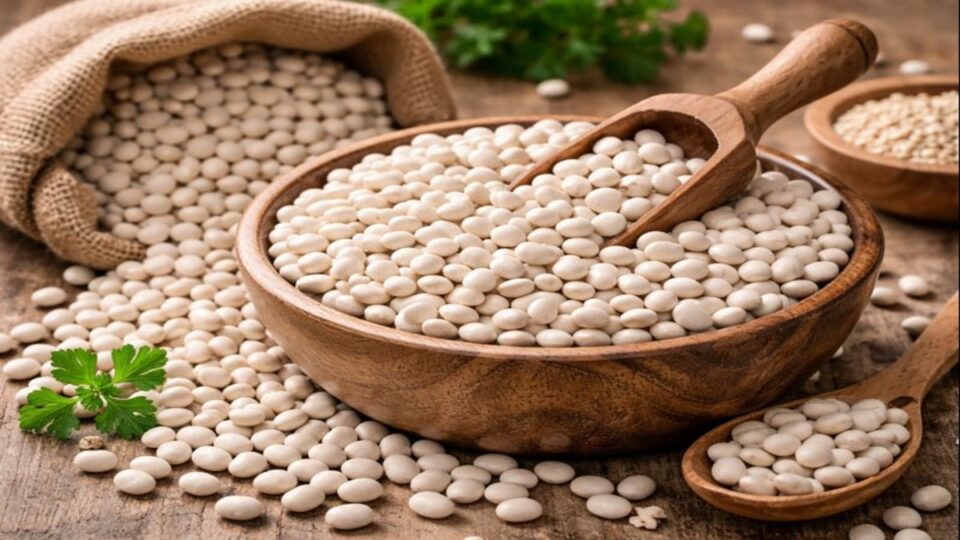
Navy beans may be small, but they pack a powerful punch when it comes to nutrition, versatility, and comfort-food appeal. Often overlooked in favor of trendier legumes, these humble white beans have been a pantry staple for generations. From hearty soups to creamy side dishes, navy beans are affordable, filling, and incredibly good for you. Let’s take a closer look at what makes navy beans such a valuable ingredient
What Are Navy Beans?
Navy beans are small, oval-shaped white beans known for their mild flavor and creamy texture when cooked. They get their name from the U.S. Navy, which adopted them as a staple food for sailors in the late 19th century due to their long shelf life and high nutritional value.
You may also hear them called:
- Pea beans
- White beans
- Boston beans
Despite the different names, they all refer to the same legume.
A Brief History of Navy Beans
Navy beans have been cultivated in the Americas for thousands of years. Indigenous communities relied on beans as a core part of their diet long before European settlers arrived. By the 1800s, navy beans became popular in the United States, especially in baked bean recipes and military rations.
Their durability, affordability, and ability to provide energy made them a natural choice for long journeys and hard labor.
Nutritional Profile of Navy Beans
Navy beans are a nutritional powerhouse.
Key Nutrients in Navy Beans
- Protein – supports muscle growth and repair
- Dietary fiber – aids digestion and promotes fullness
- Iron – helps transport oxygen in the blood
- Magnesium – supports nerve and muscle function
- Folate – essential for cell growth and pregnancy health
One cup of cooked navy beans provides roughly:
- 15 grams of protein
- 19 grams of fiber
- Very little fat
Health Benefits of Navy Beans
Supports Digestive Health
The high fiber content in navy beans helps keep your digestive system running smoothly. Fiber feeds healthy gut bacteria and can help prevent constipation.
Helps Manage Blood Sugar
Navy beans have a low glycemic index, meaning they release sugar slowly into the bloodstream. This makes them a great option for people managing diabetes or trying to maintain stable energy levels.
Promotes Heart Health
Soluble fiber in navy beans helps lower LDL (bad) cholesterol. Combined with their potassium and magnesium content, they support healthy blood pressure and cardiovascular function.
Aids Weight Management
Because they are high in fiber and protein, navy beans help you feel full longer. This can reduce overall calorie intake and curb unnecessary snacking.
Navy Beans vs Other White Beans
Navy beans are often confused with other white beans, but there are differences.
- Navy beans are small and creamy
- Cannellini beans are larger and meatier
- Great Northern beans fall somewhere in between
Navy beans break down more easily when cooked, making them ideal for soups, purees, and baked dishes.
Popular Culinary Uses of Navy Beans
Soups and Stews
Navy beans are famous for their role in classic bean soups. They absorb flavors well and create a rich, thick broth.
Baked Beans
Traditional baked beans often use navy beans because they become soft and creamy while holding their shape.
Purees and Dips
Cooked navy beans can be blended into smooth dips or spreads, similar to hummus.
Salads and Side Dishes
When lightly cooked, they add protein and texture to salads or vegetable dishes.
How to Cook Navy Beans
Using Dried Navy Beans
- Soak the beans overnight in cold water
- Drain and rinse thoroughly
- Simmer in fresh water for 60–90 minutes until tender
- Season after cooking to prevent toughness
Quick-Soak Method
If you’re short on time:
- Boil beans for 2 minutes
- Remove from heat and soak for 1 hour
- Drain and cook as usual
Using Canned Navy Beans
Canned beans are fully cooked and convenient:
- Rinse well to reduce sodium
- Add directly to recipes
Tips for Better Flavor and Texture
- Add aromatics like onion, garlic, or bay leaf while cooking
- Avoid adding salt until beans are tender
- Cook gently to prevent skins from splitting
- Store cooked beans in their cooking liquid to keep them moist
Are Navy Beans Good for Vegetarians and Vegans?
Absolutely. Navy beans are an excellent plant-based protein source. When paired with whole grains like rice or bread, they provide all essential amino acids.
They’re commonly used in:
- Vegetarian soups
- Meatless patties
- Plant-based casseroles
Possible Side Effects of Navy Beans
Like most legumes, navy beans contain compounds that can cause gas or bloating. To reduce this:
- Soak dried beans thoroughly
- Rinse canned beans well
- Start with small portions if you’re new to beans
Proper preparation significantly improves digestibility.
How to Store Navy Beans
Dried Beans
- Store in an airtight container
- Keep in a cool, dry place
- Shelf life: up to 2 years
Cooked Beans
- Refrigerate for up to 5 days
- Freeze for up to 6 months
Navy Beans in Everyday Diets
Navy beans fit easily into many eating styles:
- Mediterranean diet
- Plant-based diets
- Budget-friendly meal plans
- High-fiber nutrition plans
Their mild flavor makes them easy to incorporate without overpowering a dish.
Conclusion
Navy beans are a true kitchen staple—nutritious, affordable, and incredibly versatile. Whether you enjoy them in soups, baked dishes, or blended into creamy spreads, they offer impressive health benefits while being easy to cook and store. Simple, satisfying, and packed with goodness, navy beans deserve a regular spot on your plate.
Frequently Asked Questions (FAQs)
1. Are navy beans the same as white beans?
Navy beans are a type of white bean, but not all white beans are navy beans.
2. Do navy beans need to be soaked before cooking?
Soaking isn’t required, but it reduces cooking time and improves digestibility.
3. Are navy beans gluten-free?
Yes, navy beans are naturally gluten-free.
4. Can navy beans replace meat in recipes?
Yes, they are an excellent plant-based protein alternative in many dishes.
5. How often can I eat navy beans?
They can be eaten regularly as part of a balanced diet, provided you tolerate legumes well.
