
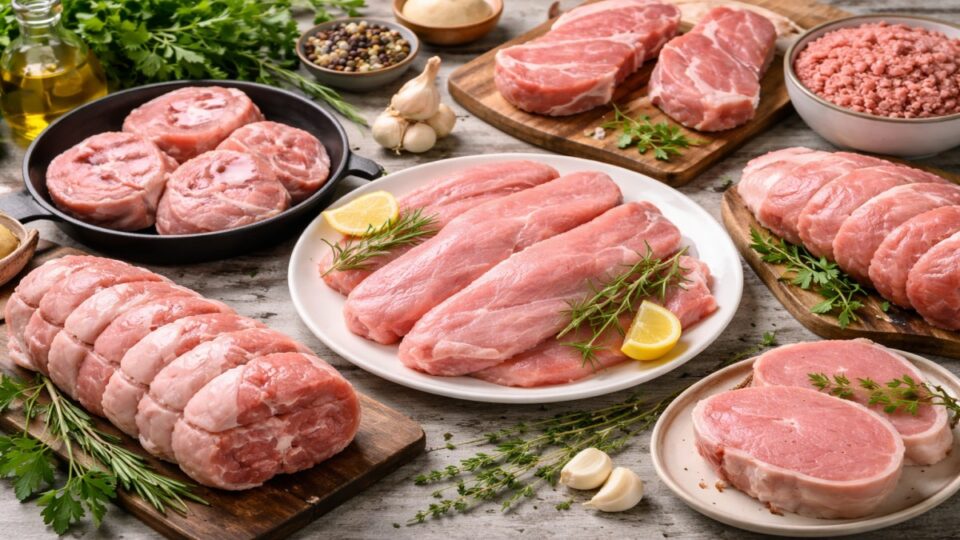
Veal is one of those foods people have heard about but often hesitate to try. Maybe it sounds fancy. Maybe it sounds controversial. Or maybe you just don’t know what to do with it. Don’t worry—you’re not alone. By the end of this guide, you’ll understand what veal really is, how to choose it wisely, and how to cook it so it melts in your mouth like butter on a hot pan.
What Is Veal?
Definition and Basic Concept
Veal is meat from young cattle, usually harvested at an early age. Because the animal is young, the meat is lighter in color, finer in texture, and milder in flavor than regular beef.
Think of beef as a bold rock concert—loud, heavy, intense. Veal, on the other hand, is like acoustic jazz—soft, smooth, and subtle.
Why Veal Tastes Different
Since the muscles aren’t fully developed, veal contains less connective tissue. That’s why it’s incredibly tender. You barely need a knife; it practically cuts itself.
Types of Veal
Milk-Fed Veal
This is the classic pale veal. The calves are fed a milk-based diet, resulting in very light-colored, delicate meat.
Grain-Fed Veal
Grain-fed veal is slightly darker and has a more beef-like flavor while still staying tender.
Rose Veal
Rose veal comes from calves raised with a natural diet and more movement. The meat has a pinkish hue and richer taste.
Key Differences Between Types
| Type | Color | Flavor | Texture |
|---|---|---|---|
| Milk-fed | Very pale | Mild | Ultra tender |
| Grain-fed | Light pink | Medium | Tender |
| Rose veal | Pink-red | Rich | Firm but soft |
Popular Cuts of Veal
Veal Cutlets
Perfect for frying or schnitzel. Thin, juicy, and quick to cook.
Veal Shank
This is your go-to cut for slow braising. It’s the star of the famous dish osso buco.
Veal Shoulder
Affordable and full of flavor—great for stews and curries.
Veal Loin and Rack
These are premium cuts, ideal for roasting when you want to impress guests.
Nutritional Value of Veal
Protein Content
Veal is a powerhouse of lean protein. A single serving fuels your muscles without loading you with fat.
Vitamins and Minerals
It’s rich in:
- Vitamin B12
- Zinc
- Iron
- Phosphorus
Veal vs Beef Nutrition
Veal generally has fewer calories and less fat than beef, making it a lighter option for health-conscious eaters.
Health Benefits of Eating Veal
Lean Protein for Muscle Growth
If you work out or live an active lifestyle, veal gives you the building blocks your body needs.
Supports Immune System
The zinc and iron content helps strengthen your immunity.
Easy to Digest
Veal is softer on the stomach than red beef—perfect for people with sensitive digestion.
Ethical and Welfare Concerns
Traditional Veal Farming
In the past, veal production was linked with poor animal welfare practices.
Modern Humane Practices
Today, many farms allow calves to move freely, eat natural diets, and live healthier lives.
Choosing Ethical Veal
Look for labels like humanely raised or free-range. Your choices matter.
How to Buy High-Quality Veal
What to Look for at the Store
- Pale pink or light red color
- Fine-grained texture
- No strong smell
Color, Texture, and Smell
Fresh veal smells clean and looks moist—not slimy.
Trusted Labels and Certifications
Always check for quality assurance stamps.
How to Store Veal Safely
Refrigeration Tips
Keep veal in the coldest part of your fridge and use it within 2 days.
Freezing Veal
Wrap it tightly and freeze for up to 3 months.
Shelf Life Guidelines
Never refreeze thawed veal—it ruins the texture.
How to Prepare Veal
Cleaning and Trimming
Remove excess fat and pat dry before cooking.
Marinating Techniques
Simple marinades work best: olive oil, lemon juice, garlic, and herbs.
Best Cooking Temperatures
Medium-low heat keeps veal juicy and tender.
Best Cooking Methods for Veal
Pan-Frying
Great for cutlets—quick, crispy, delicious.
Braising
Slow cooking turns tough cuts into buttery bites.
Grilling
Adds a smoky edge without overpowering the flavor.
Slow Cooking for Tenderness
The longer it cooks gently, the softer it gets.
Conclusion
Veal is like the soft whisper in a room full of loud voices. It doesn’t shout—it charms. From its silky texture to its impressive nutrition, veal deserves a spot in your kitchen. Choose it wisely, cook it gently, and you’ll wonder why you didn’t try it sooner.
FAQs
1. Is veal healthier than beef?
Yes, it usually contains less fat and fewer calories.
2. What is the best cut for beginners?
Veal cutlets—they’re fast and forgiving.
3. Can veal be used in Pakistani dishes?
Absolutely! It works beautifully in curries and kebabs.
4. Why is veal more expensive?
Because it’s produced in smaller quantities with special care.
5. How do I stop veal from drying out?
Cook it on low heat and never overcook it.
