
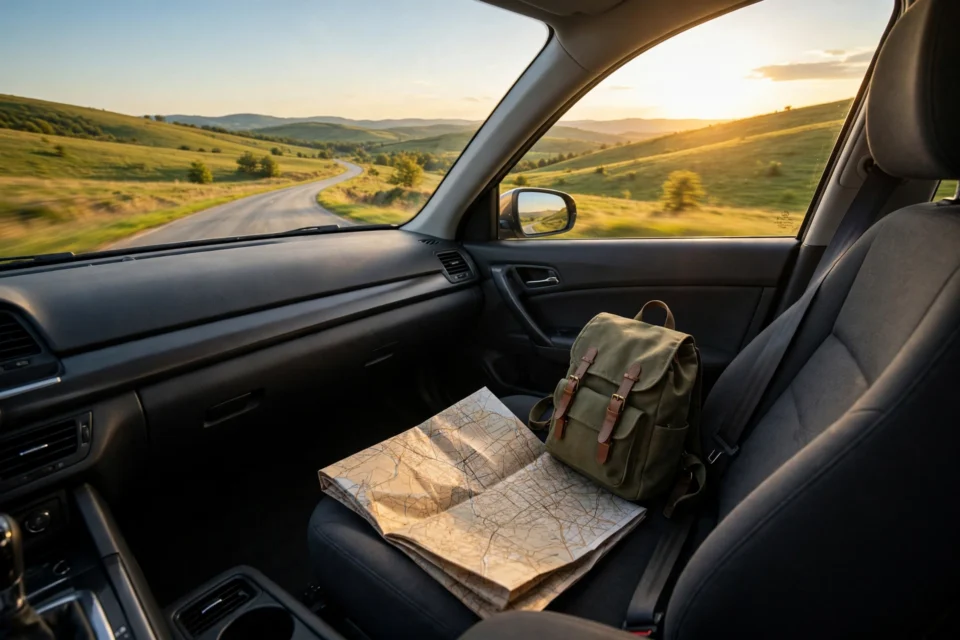
Learning how to plan a budget road trip is the best way to enjoy the open road without worrying about money at every stop. A road trip sounds free and easy, but fuel, food, stays and small surprises can add up fast if you do not plan ahead. The good news is that a little planning goes a long way. With a clear route, a realistic budget and a few smart habits, you can travel further, see more and still come home without an empty wallet.
Set Your Total Budget First
Before you pick a destination, decide how much you can spend in total. This is the first step in any budget road trip planning, because every other choice depends on it. Add up what you can afford for fuel, food, stays, activities and a small emergency cushion, and write the number down. Then split it into daily amounts so you know roughly what each day should cost. When you have a daily limit, it is much easier to say no to an expensive meal or an extra night somewhere, because you can see what it does to the rest of the trip.
Choose a Route That Fits Your Wallet
The route you pick has a big effect on the cost of your trip. Shorter daily drives use less fuel, and routes that pass through smaller towns often have cheaper food and places to stay. When you plan a road trip on a budget, look at the map and check the distance between stops before you commit. A route with a scenic drive and a few free viewpoints can be just as enjoyable as a long drive to a famous place, and it usually costs less. Try to keep driving days under five or six hours so you arrive fresh and still have time to enjoy the stop.
Work Out Your Fuel Costs Before You Leave
Fuel is usually the biggest cost on a road trip, so it pays to estimate it in advance. Check the distance of your route, work out roughly how much fuel your car uses, and look up average fuel prices along the way. A simple road trip budget planner, even a notebook or a phone note, helps here: write down the expected fuel cost for each leg of the journey and add a little extra for detours. Keeping your speed steady, avoiding heavy luggage and keeping tyres at the right pressure can also save fuel on the road.
Save Money on Food Without Eating Badly
Food is one of the easiest places to save money on a road trip. Eating at restaurants three times a day quickly eats into any budget, while a cooler box with sandwiches, fruit, snacks and water costs far less and keeps you going between stops. Pack breakfast foods you can eat at your stay, and save restaurant meals for one special dinner in a place you really want to try. If you do eat out, look for local cafes and markets instead of places right next to the motorway or a tourist attraction, where prices are usually higher.
Find Cheap and Comfortable Places to Stay
Where you sleep can make or break a budget road trip. Budget hotels, guesthouses and hostels are often much cheaper than big hotels, and staying slightly outside a popular town can cut the price further. If you are travelling with friends or family, splitting a room or an apartment can work out cheaper per person than separate rooms. Book the nights you are sure about in advance, but leave one or two nights flexible if your plans might change. Always read recent reviews before booking, because a cheap stay that is dirty or unsafe is not a saving at all.
Pack Smart and Light
Packing well saves money in ways people often forget. A simple budget road trip checklist helps: chargers and a power bank, a reusable water bottle, a small first-aid kit, sunscreen, basic tools for the car, and snacks for the road. If you forget something, you will probably have to buy it at a higher price on the way. Packing light also helps your car use less fuel, and it makes every stop easier, because you are not dragging heavy bags in and out. If you want a packing routine that works for short trips too, see our guide on how to pack light for a weekend trip.
Keep a Little Money Aside for Surprises
Even the best-planned trip has surprises: a flat tyre, a road closure, a sudden change in the weather, or a place you did not expect to love and want to stay longer in. That is why a good budget road trip plan always includes a small emergency cushion, even if it is only ten or fifteen percent of the total budget. Keep some cash as well as cards, because small towns and markets do not always take cards. If you reach the end of the trip without touching the cushion, it becomes a bonus for your next trip.
Cheap Road Trip Tips That Make a Real Difference
A few small habits add up to big savings. Travel outside peak holiday weekends when prices for stays are lower. Fill up fuel in towns rather than at motorway service stations. Use free walking tours and public parks instead of paying for every attraction. Share driving with a friend so no one gets tired and you can cover more ground safely. And take photos and notes along the way, because the memories are free and they last longer than any souvenir.
Conclusion
Knowing how to plan a budget road trip comes down to a few simple habits: set a total budget first, choose a sensible route, estimate your fuel, eat smart, sleep cheap and keep a little money aside for surprises. You do not need a big budget to have a great trip. You need a plan that fits the money you have, and the freedom to enjoy the road without counting every coin. Plan it well, pack light, and the journey itself becomes the best part of the trip.
