
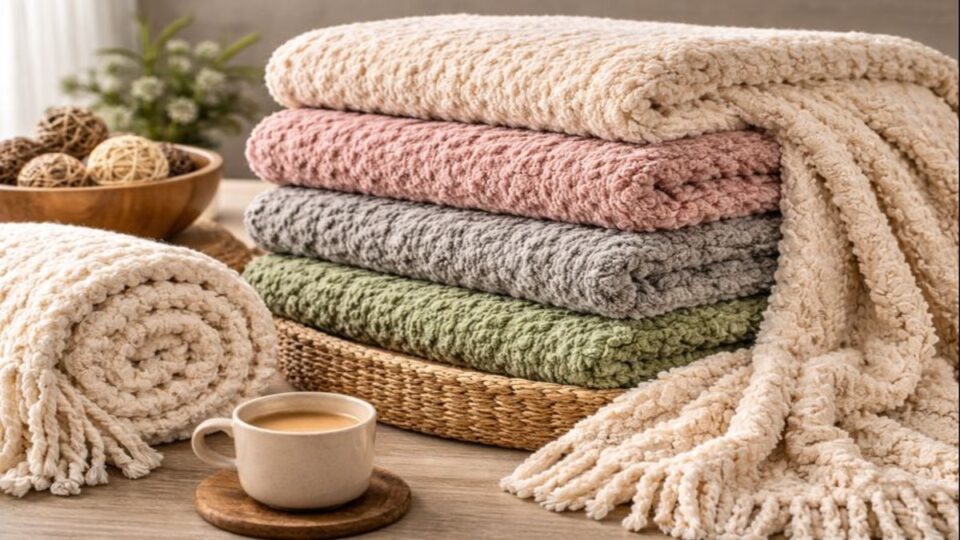
Chenille is one of those fabrics that instantly feels luxurious the moment you touch it. Soft, fuzzy, and visually rich, chenille has found its way into homes, wardrobes, and interior design trends around the world. From cozy blankets to elegant sofas, this unique textile blends comfort with visual appeal. But what exactly is chenille, and why is it so popular? Let’s explore everything you need to know about this beloved fabric.
What Is Chenille?
Chenille is a type of fabric known for its velvety texture and raised, fuzzy surface. The word chenille comes from the French word for “caterpillar,” which perfectly describes the yarn’s plush, segmented appearance.
Unlike flat woven fabrics, chenille yarn is made by placing short lengths of fiber between two core yarns, which are then twisted together. The ends of the fibers stick out, creating a soft pile that gives chenille its signature feel.
A Brief History of Chenille
Chenille fabric originated in France in the 18th century, where artisans first developed the yarn using silk. It later gained popularity in Scotland and the United States during the Industrial Revolution, when cotton chenille bedspreads became a household staple.
Over time, modern manufacturing introduced synthetic fibers like polyester and rayon, making chenille more affordable and versatile while maintaining its luxurious texture.
How Chenille Is Made
The production of chenille yarn is what makes it so distinctive:
- Short fibers are woven between two strong core threads
- The threads are twisted together tightly
- The fabric is cut, causing the fibers to stand upright
- The result is a soft, fuzzy yarn with a velour-like surface
This process creates a fabric that feels thick, warm, and inviting.
Types of Chenille Fabric
Cotton Chenille
Cotton chenille is breathable, soft, and natural. It’s commonly used for blankets, bedspreads, and clothing.
Polyester Chenille
This type is more durable and resistant to wear, making it ideal for upholstery and high-traffic furniture.
Rayon Chenille
Rayon chenille has a silky sheen and elegant drape, often used in decorative pillows and throws.
Acrylic Chenille
Lightweight and affordable, acrylic chenille mimics wool and is commonly found in home décor items.
Common Uses of Chenille
Chenille’s versatility makes it popular across many industries.
Home Décor
- Sofas and armchairs
- Cushions and throw pillows
- Curtains and upholstery
- Bedspreads and blankets
Fashion and Accessories
- Sweaters and cardigans
- Scarves and shawls
- Loungewear
- Slippers and socks
Craft and Textile Projects
- Knitted items
- Decorative wall hangings
- Soft toys
Why Chenille Is So Popular
Chenille’s popularity comes down to a few key qualities:
- Ultra-soft texture that feels cozy and inviting
- Rich appearance that adds depth and warmth
- Comfort factor perfect for relaxation spaces
- Versatility across home and fashion uses
It’s the kind of fabric that instantly makes a space feel more welcoming.
Pros and Cons of Chenille
Advantages
- Extremely soft and comfortable
- Visually rich and textured
- Warm and insulating
- Available in many colors and fibers
Disadvantages
- Can shed fibers over time
- May flatten with heavy use
- Requires careful cleaning
- Less resistant to moisture
Knowing these pros and cons helps you choose the right chenille product for your needs.
How to Care for Chenille Fabric
Proper care ensures chenille stays beautiful for years.
Cleaning Tips
- Vacuum upholstery gently using a brush attachment
- Spot-clean spills immediately with mild detergent
- Avoid harsh scrubbing
- Always check the care label
Washing Chenille Clothing
- Use cold water
- Choose a gentle cycle
- Wash inside out
- Air-dry or tumble dry on low heat
Conclusion
Chenille is more than just a fabric—it’s an experience of comfort and warmth. With its soft texture, inviting appearance, and wide range of uses, it continues to be a favorite in homes and fashion alike. Whether you’re curling up on a chenille sofa or wearing a cozy chenille sweater, this fabric brings a sense of softness that’s hard to beat. With the right care, chenille can stay beautiful and comforting for years to come.
FAQs About Chenille
1. Is chenille good for sofas?
Yes, especially polyester chenille. It’s soft, comfortable, and suitable for everyday use when properly maintained.
2. Does chenille shed?
Some shedding can occur, especially when new, but it usually decreases over time.
3. Can chenille be machine washed?
Some chenille clothing items can be machine washed on gentle cycles, but upholstery usually requires spot cleaning.
4. Is chenille warm?
Yes, chenille is naturally insulating and feels warm, making it ideal for blankets and winter clothing.
5. Is chenille suitable for pets?
It’s soft but can snag easily. Homes with pets may prefer tightly woven or performance chenille fabrics.
