
What Is an Ecologist
Definition of Ecology
An ecologist is a scientist who studies the relationships between living organisms and their environment. Ecology itself is a branch of biology focused on understanding how plants, animals, humans, and microorganisms interact with each other and the ecosystems around them. These ecosystems include forests, oceans, deserts, wetlands, and even urban environments.
Ecologists work to understand how natural systems function and how environmental changes impact biodiversity. Their research helps answer important questions such as: How do species survive in changing climates? What happens when a new species enters an ecosystem? How do human activities affect wildlife habitats?
What Ecologists Study
Ecologists study many aspects of nature, ranging from individual species to entire ecosystems. Some focus on plants, others study animals, and many examine the complex relationships between multiple organisms.
For example, an ecologist might research how deforestation affects bird populations or how pollution impacts marine life. They also study climate change, biodiversity loss, and conservation strategies. By collecting data and analyzing ecological patterns, ecologists help communities make informed decisions about environmental protection.
Responsibilities of an Ecologist
Field Research and Data Collection
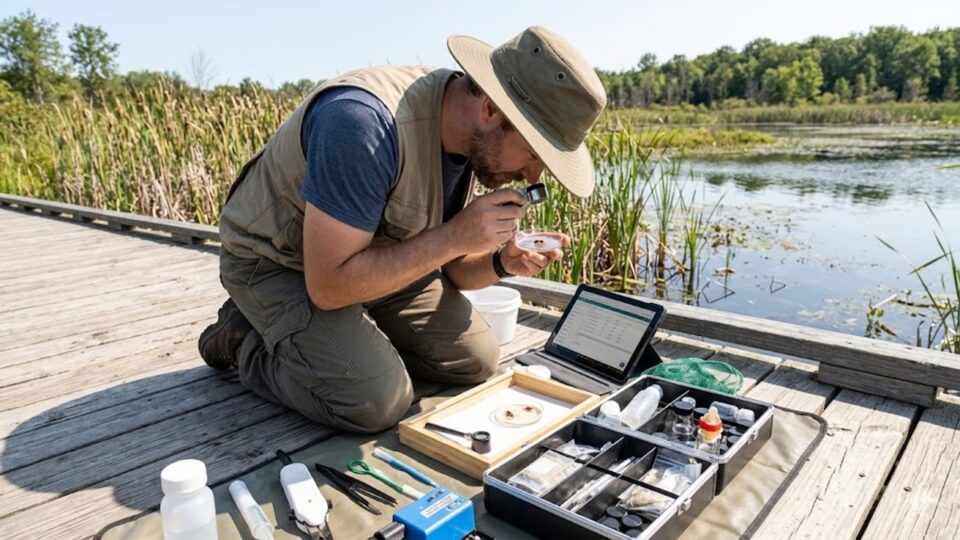
One of the main responsibilities of an ecologist is conducting field research. This often involves traveling to forests, rivers, mountains, or coastal regions to observe wildlife and collect environmental data.
Fieldwork may include measuring soil quality, monitoring water conditions, tracking animal populations, and documenting plant species. These activities help scientists understand how ecosystems function and how they change over time.
Environmental Monitoring and Analysis
Another key task of ecologists is analyzing environmental data. After collecting information from the field, they use statistical methods and computer models to identify patterns and trends.
For instance, ecologists might analyze how rising temperatures affect plant growth or how habitat loss impacts wildlife populations. Their research often contributes to conservation efforts and environmental policy development.
Skills Required to Become an Ecologist
Scientific and Analytical Skills
A successful ecologist needs strong scientific and analytical abilities. Understanding biological systems, ecosystems, and environmental processes requires careful observation and critical thinking.
Ecologists must also interpret large amounts of data collected from research projects. This involves using statistical tools, scientific software, and research methodologies to draw meaningful conclusions.
Communication and Research Skills
Communication is another essential skill for ecologists. They must explain their research findings to scientists, policymakers, and the general public.
Writing research papers, presenting at conferences, and creating environmental reports are common tasks in this profession. Clear communication ensures that ecological research contributes to real-world environmental solutions.
Education and Qualifications
Degrees in Ecology or Environmental Science
Most ecologists hold a bachelor’s degree in ecology, environmental science, biology, or a related field. These programs provide foundational knowledge about ecosystems, wildlife biology, and environmental processes.
Students often participate in laboratory experiments and field research during their studies. These experiences help them develop practical skills needed for ecological research.
Specialized Training and Certifications
Some ecologists pursue advanced degrees such as a master’s or doctorate. Higher education allows them to specialize in areas like conservation biology, marine ecology, or climate science.
Professional certifications and training programs can also enhance career opportunities. These programs focus on environmental management, sustainability practices, and ecological research methods.
Work Environments for Ecologists
Government and Research Institutions
Many ecologists work for government agencies or scientific research institutions. In these roles, they conduct studies that help governments manage natural resources and protect biodiversity.
Government ecologists may analyze environmental impacts of construction projects, monitor endangered species, or design conservation programs.
Private Environmental Consulting
Ecologists also work in environmental consulting firms. These companies help businesses and organizations follow environmental regulations.
Consulting ecologists often evaluate the ecological impact of development projects such as highways, factories, or housing developments. Their recommendations help reduce environmental damage while allowing responsible development.
Conclusion
An ecologist plays a critical role in understanding and protecting the natural world. By studying ecosystems and environmental interactions, ecologists help society make informed decisions about conservation and sustainability.
As environmental challenges continue to grow, the importance of ecological research becomes even greater. Professionals in this field contribute valuable knowledge that supports biodiversity, ecosystem stability, and long-term environmental health.
FAQs
1. What does an ecologist do?
An ecologist studies the relationship between living organisms and their environment to understand ecosystems and protect biodiversity.
2. What degree is needed to become an ecologist?
Most ecologists earn a degree in ecology, biology, environmental science, or a related field.
3. Where do ecologists work?
Ecologists work in research institutions, government agencies, environmental consulting firms, and conservation organizations.
4. Is ecology a good career choice?
Yes, ecology is a meaningful career for individuals interested in environmental protection and scientific research.
5. What skills are important for ecologists?
Key skills include scientific analysis, research abilities, communication skills, and a strong understanding of environmental systems.
