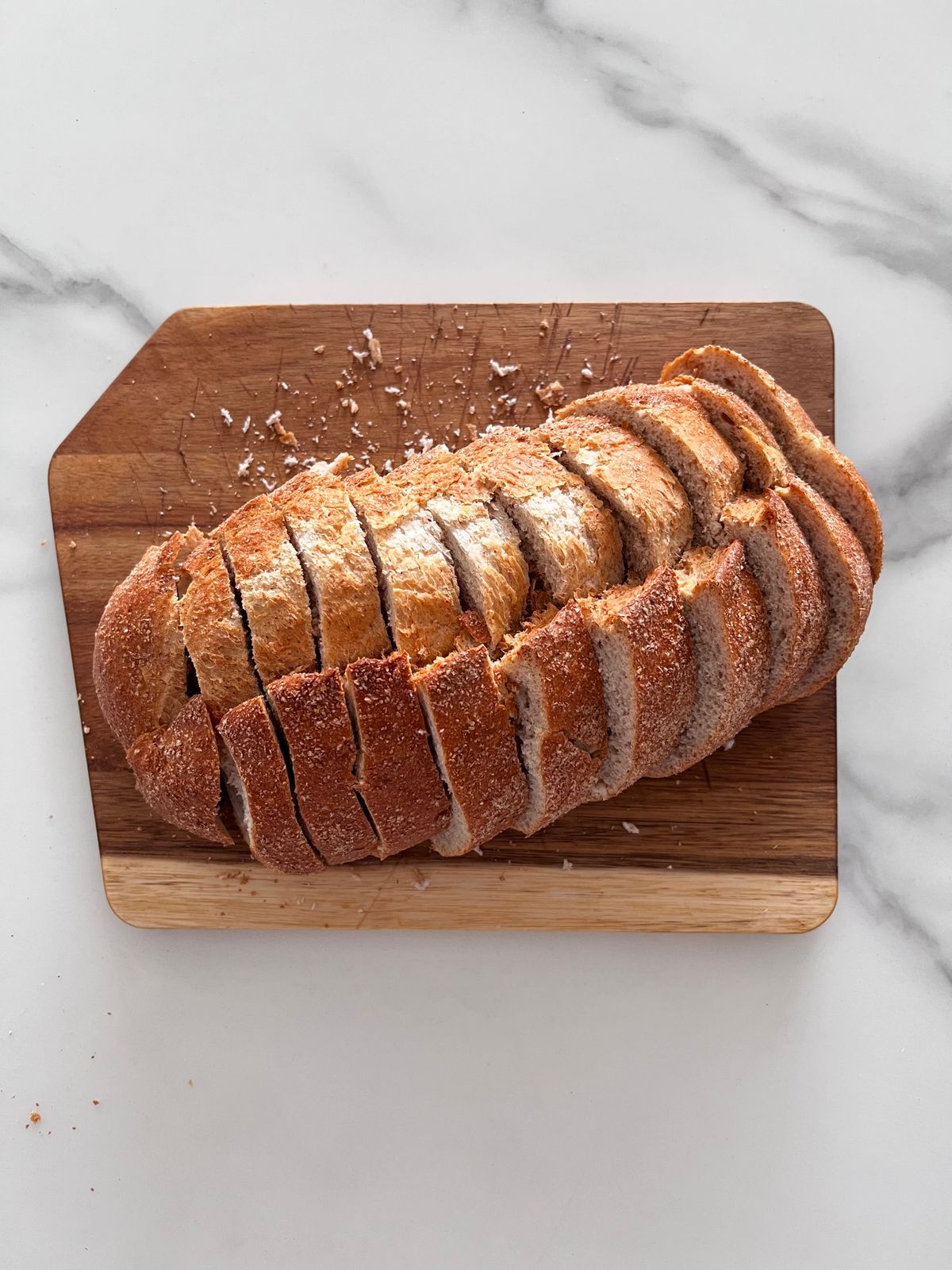
Learning how to keep fresh bread fresh longer is the difference between a soft, fragrant loaf and a dry one that ends up in the bin. A loaf that tastes wonderful on the day it is baked can turn stale surprisingly quickly, but a few simple storage habits can keep it enjoyable for days. The trick is not one magic container. It is matching the way you store bread to how soon you plan to eat it.
Why Bread Goes Stale So Fast
Bread goes stale mainly because it loses moisture and because its starch changes as it cools and sits. The crust softens or hardens, the inside dries out, and the flavour fades. Warm, dry air speeds the process up, while damp conditions can encourage mould. If you want to know how to keep fresh bread fresh, start by protecting it from air and from big changes in temperature. A loaf left open on the counter will dry out fast, while a loaf sealed in a damp bag in a warm spot is more likely to turn mouldy.
The Countertop Method: Best for Bread You Will Eat Soon
For bread you plan to finish within a couple of days, the countertop is usually the simplest option. Keep the loaf in a clean bread bag, a bread box, or a tea towel wrapped loosely around it, away from direct sunlight and heat sources such as the oven or a sunny windowsill. For a crusty loaf, a paper bag inside a bread box often works well because it lets the crust stay crisp while slowing drying. For soft sandwich bread, a closed plastic bag or a resealable bag is usually better, since it holds in moisture and keeps the slices soft. Keep the loaf cut-side down between uses so the exposed crumb dries out more slowly.
How to Store Bread to Keep It Fresh in a Bag or Bread Box
When people ask how to store bread to keep it fresh, the answer usually comes down to the container. A bread box is a good everyday choice because it shields the loaf from moving air while still allowing a little air to circulate. A clean linen bag works in a similar way for crusty bread, and a beeswax wrap can be a useful reusable option for a half loaf. Do not store bread next to strong-smelling foods unless it is sealed, because bread can pick up odours. Do not put a warm loaf straight into a sealed bag, since trapped steam makes the crust soggy and encourages mould. Let freshly baked bread cool fully first, then wrap it, and replace the bag if it feels damp inside.
Should Bread Go in the Fridge?
The fridge is a common source of confusion. For most bread, the fridge is not the best place for short-term storage, because cold temperatures can make bread go stale faster even though they slow mould. That does not mean the fridge is never useful. If your kitchen is very warm and humid, or if you need to hold a loaf for a few extra days and mould is the bigger risk, the fridge can be a reasonable compromise. If you do refrigerate bread, keep it well wrapped so it does not dry out or pick up smells, and bring slices back to room temperature before eating or toast them lightly.
Freezing: The Best Way to Keep Bread for Longer
Freezing is the most reliable method if you want to know how to keep bread fresh for longer than a few days. Bread freezes well, and frozen slices can be toasted straight from the freezer with little loss of quality. To freeze bread well, slice the loaf first if you plan to use it slice by slice. Wrap the slices or the whole loaf tightly in cling film, then place the wrapped bread in a freezer bag and press out as much air as you can. Label the bag with the date so you use the oldest loaf first, and take out only what you will use, since thawing and refreezing the same loaf again and again dries it out a little more each time.
How to Keep Homemade Bread Fresh Longer
Homemade bread deserves a little extra care. If you are learning how to keep homemade bread fresh longer, remember that homemade loaves usually contain no commercial preservatives, so they tend to stale faster than shop-bought bread. Let a homemade loaf cool completely on a rack before wrapping it, because wrapping a warm loaf traps steam and softens the crust. Once cool, store it cut-side down in a bread box or a clean bag for the first day or two. If you baked more than you can eat in that time, freeze the extra loaf on the day you bake it, while it is still at its best.
How to Tell If Bread Is Still Good
Fresh bread should smell pleasant and slightly yeasty, feel soft or springy inside, and have a crust that matches its type, crisp for a baguette or soft for sandwich bread. If the bread smells sour or musty, feels slimy, or shows any mould, throw it away rather than cutting around the mouldy part, since mould can spread through soft foods in ways you cannot see. Bread that is simply a little dry is a different matter. Day-old bread is often perfect for toast or sandwiches with moist fillings, so knowing the difference between stale and spoiled helps you waste less food without taking risks.
Conclusion
Knowing how to keep fresh bread fresh longer comes down to one simple rule: protect the loaf from air and dampness, keep it cool and steady, and match the method to how soon you will eat it. Use the countertop for bread you will finish quickly, the freezer for anything you want to keep, and a clean bag or bread box every day in between. The same dry, cool and wrapped idea works for other fresh foods too, as shown in How to Store Ginger Root Fresh for Weeks: Simple Methods That Work. With those habits, your next loaf will stay soft, tasty and worth eating right down to the last slice.