
Introduction
The jaw bone might not be something you think about every day, but try chewing, speaking, or even smiling without it—and you’ll quickly realize how essential it is. Acting like a sturdy hinge and a powerful lever at the same time, the jaw bone plays a central role in daily life. From eating your favorite foods to expressing emotions, this single structure does a lot of heavy lifting.
What Is the Jaw Bone?
The jaw bone refers to the bones that form the framework of the mouth and hold the teeth in place. In humans, it is made up of two main parts that work together smoothly.
The Upper Jaw (Maxilla)
The maxilla is the fixed upper jaw. It forms the upper dental arch, supports the nose, and helps shape the face. Unlike the lower jaw, it doesn’t move—but don’t underestimate it. It provides stability and structure for chewing and breathing.
The Lower Jaw (Mandible)
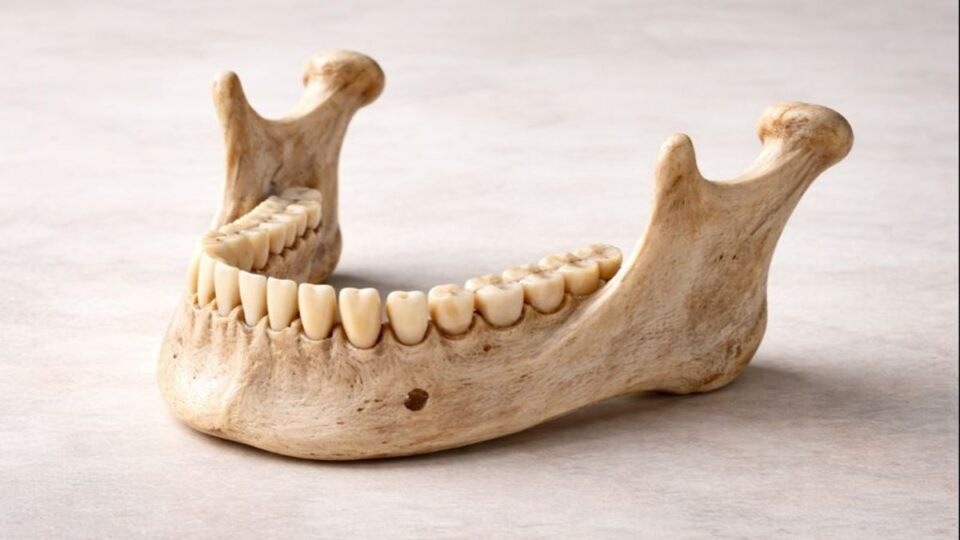
The mandible is the largest and strongest bone in the face. It’s also the only movable bone of the skull (excluding the ear ossicles). This mobility allows us to chew, talk, yawn, and laugh.
Anatomy of the Jaw Bone
Understanding the jaw bone’s anatomy is like learning the parts of a well-designed machine.
Key Parts of the Mandible
- Body: Holds the lower teeth
- Ramus: Vertical extension connecting to the skull
- Condylar Process: Forms the jaw joint
- Coronoid Process: Attachment point for muscles
Each part has a specific role, ensuring strength without sacrificing movement.
The Temporomandibular Joint (TMJ)
The temporomandibular joint connects the mandible to the skull. It’s one of the most complex joints in the body, allowing both hinge and sliding motions. Think of it as a hybrid joint—part door hinge, part sliding track.
Functions of the Jaw Bone
The jaw bone is a multitasker.
Chewing and Digestion
Chewing is the first step in digestion. The jaw bone works with muscles and teeth to break food into smaller pieces, making it easier for the stomach to do its job.
Speech and Communication
Every word you speak depends on precise jaw movement. Subtle shifts in the jaw shape sounds, making clear speech possible.
Facial Structure and Appearance
The jaw bone defines the lower face. A strong jawline, facial symmetry, and overall facial balance are all influenced by jaw bone structure.
Jaw Bone Development
Jaw bones don’t start fully formed—they grow and adapt over time.
Growth from Childhood to Adulthood
In children, the jaw bone grows as teeth erupt and facial muscles strengthen. This growth continues into early adulthood, influenced by genetics, nutrition, and habits.
Changes with Age
As people age, bone density can decrease. Tooth loss can also lead to jaw bone resorption, where the bone gradually shrinks due to lack of stimulation.
Common Jaw Bone Problems
Like any hardworking structure, the jaw bone can face issues.
Jaw Bone Fractures
Accidents, falls, or sports injuries can fracture the jaw. Symptoms include pain, swelling, difficulty chewing, and misaligned teeth.
TMJ Disorders
TMJ disorders can cause jaw pain, clicking sounds, headaches, and difficulty opening the mouth. Stress, teeth grinding, and arthritis are common triggers.
Jaw Bone Infections
Infections such as osteomyelitis can affect the jaw bone, often linked to untreated dental problems.
Jaw Bone and Dental Health
Dental health and jaw bone health go hand in hand.
Tooth Loss and Bone Resorption
When teeth are lost, the jaw bone no longer receives stimulation from chewing. Over time, this can lead to bone loss.
Dental Implants and Bone Support
Dental implants rely on a healthy jaw bone. They act like artificial roots, stimulating the bone and helping preserve its strength.
Jaw Bone in Medical and Cosmetic Treatments
Modern medicine pays close attention to the jaw bone.
Orthodontics and Jaw Alignment
Braces and aligners guide jaw and tooth alignment, improving function and appearance.
Conclusion
The jaw bone is far more than just a support for teeth—it’s a cornerstone of daily life. From eating and speaking to shaping the face and preserving dental health, it works constantly behind the scenes. Taking care of your jaw bone means investing in comfort, confidence, and long-term well-being.
FAQs
1. Is the jaw bone the same as the mandible?
The mandible is the lower jaw bone, while the upper jaw is called the maxilla.
2. Can the jaw bone heal after a fracture?
Yes, with proper medical care, jaw bones can heal well, often with excellent recovery.
3. Does tooth loss always cause jaw bone loss?
Without treatment, tooth loss often leads to bone resorption, but implants or dentures can help reduce it.
4. What causes jaw pain without injury?
TMJ disorders, stress, teeth grinding, and arthritis are common causes.
