
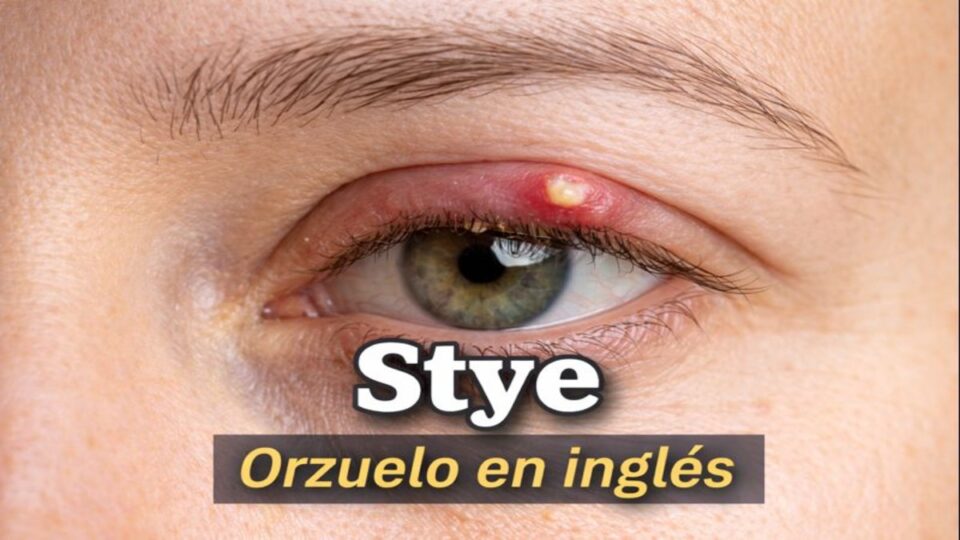
If you’ve ever searched for “orzuelo en inglés,” you were probably looking for the English word for a common and uncomfortable eye condition. In English, “orzuelo” is called a stye (also spelled sty). A stye is a small, painful lump that appears on or near the eyelid, often looking like a tiny pimple or boil.
Let’s break it down clearly and simply—what a stye is, why it happens, how to treat it, and when you should worry.
What Is a Stye?
A stye is an infection of an oil gland or hair follicle in the eyelid. It usually develops when bacteria—most commonly Staphylococcus aureus—enter the gland and cause inflammation.
Styes can form:
- On the outside of the eyelid (external stye)
- On the inside of the eyelid (internal stye)
They often start as redness and tenderness and then develop into a swollen bump filled with pus.
Types of Styes
External Stye
- Appears on the edge of the eyelid
- Often caused by an infected eyelash follicle
- More visible and common
- Usually painful to the touch
Internal Stye
- Forms inside the eyelid
- Caused by infection of an oil-producing gland
- May be more painful and take longer to heal
- Sometimes confused with a chalazion
Common Symptoms of a Stye
A stye is usually easy to recognize. Typical symptoms include:
- Red, swollen bump on the eyelid
- Pain or tenderness
- Feeling like something is in the eye
- Watery eyes
- Sensitivity to light
- Crusting along the eyelid
- Pus-filled center (in later stages)
Most styes affect only one eye and one eyelid at a time.
What Causes a Stye?
Styes happen when bacteria block and infect eyelid glands. Common causes include:
- Touching your eyes with dirty hands
- Poor eyelid hygiene
- Using old or contaminated makeup
- Not removing eye makeup properly
- Wearing contact lenses without proper cleaning
- Stress and lack of sleep
- Weakened immune system
- Blepharitis (chronic eyelid inflammation)
In simple terms, bacteria plus blocked oil glands equals a stye.
Is a Stye Contagious?
A stye itself is not highly contagious, but the bacteria that cause it can spread. That’s why it’s important to:
- Avoid touching or rubbing your eyes
- Wash your hands frequently
- Don’t share towels, pillows, or makeup
- Stop using eye makeup until the stye heals
How Long Does a Stye Last?
Most styes heal on their own within 7 to 10 days. They often drain naturally and gradually shrink without leaving any scars.
If a stye lasts longer than two weeks or keeps coming back, medical treatment may be needed.
Home Remedies for a Stye
The good news? Most styes don’t require medication. Simple home care works well.
Warm Compress
This is the most effective treatment.
How to do it:
- Soak a clean cloth in warm (not hot) water
- Wring it out
- Place it gently over the closed eye
- Hold for 10–15 minutes
- Repeat 3–5 times a day
Warmth helps unblock the gland and encourages drainage.
Gentle Eyelid Cleaning
- Use warm water and a drop of mild baby shampoo
- Clean the eyelid gently
- Helps remove bacteria and oils
Rest Your Eyes
- Avoid screens if possible
- Stop wearing contact lenses
- Don’t use eye makeup until healed
What NOT to Do
It’s tempting, but avoid these mistakes:
- ❌ Don’t squeeze or pop the stye
- ❌ Don’t use makeup on the infected eye
- ❌ Don’t rub your eyes
- ❌ Don’t wear contact lenses during infection
Popping a stye can spread infection and make it worse.
Medical Treatment Options
If a stye doesn’t improve or becomes severe, a doctor may recommend:
- Antibiotic eye drops or ointment
- Oral antibiotics (for serious infections)
- Steroid treatment to reduce inflammation
- Minor drainage procedure (rare cases)
Always consult a healthcare professional before using medication.
Conclusion
So, if you were wondering “orzuelo en inglés,” now you know—the correct term is stye. While styes can be uncomfortable and annoying, they’re usually harmless and easy to treat at home with warm compresses and good hygiene. Most clear up on their own in a short time, and serious complications are rare.
Taking care of your eyes, keeping them clean, and avoiding old makeup can help prevent styes from returning. When in doubt, a quick visit to a healthcare professional can give you peace of mind.
Frequently Asked Questions (FAQs)
1. What is “orzuelo” called in English?
“Orzuelo” is called a stye in English.
2. Can a stye go away on its own?
Yes, most styes heal naturally within 7–10 days without treatment.
3. Is a stye caused by stress?
Stress doesn’t directly cause styes, but it can weaken the immune system, making infections more likely.
4. Can children get styes?
Yes, styes are common in both children and adults.
5. Can makeup cause a stye?
Yes, old or contaminated makeup is a common cause of styes.
