
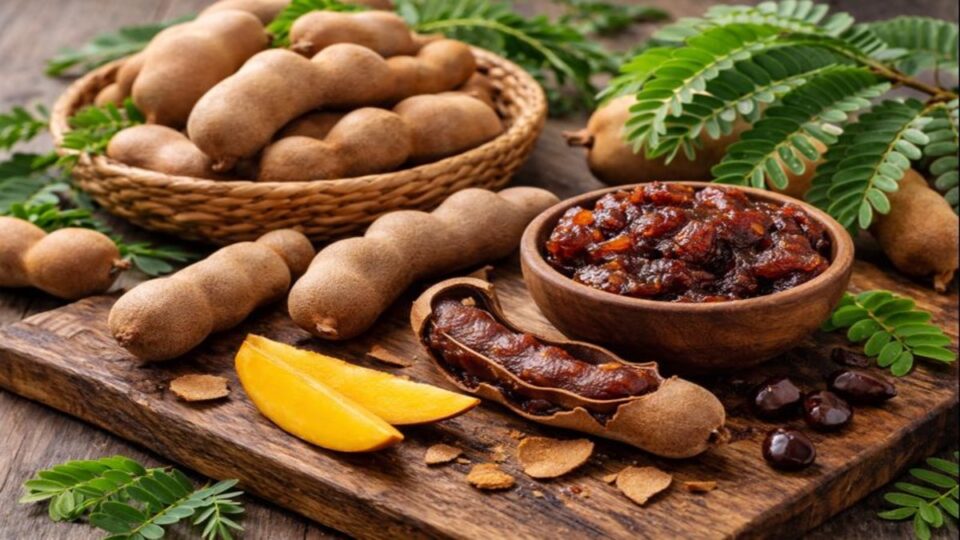
The tamarindeiro, known in English as the tamarind tree (Tamarindus indica), is a tropical tree valued for its unique fruit, shade, and wide range of culinary and medicinal uses. Native to Africa but widely cultivated across Asia, Latin America, and the Caribbean, the tamarindeiro has become an essential part of many cultures and cuisines around the world.
Let’s explore what makes this tree so special and why it continues to thrive in both traditional and modern lifestyles.
What Is Tamarindeiro?
Tamarindeiro refers to the tamarind tree, a long-lived evergreen or semi-evergreen tree belonging to the legume family (Fabaceae). It produces brown, pod-like fruits filled with sticky, sweet-and-sour pulp.
The tree is admired not only for its fruit but also for its resilience, low maintenance, and ability to grow in hot, dry climates.
Origin and Distribution
Although the tamarind tree originated in tropical Africa, it spread centuries ago through trade routes to:
- India and Southeast Asia
- Central and South America
- The Caribbean
- Southern parts of the Middle East
Today, India is the world’s largest producer of tamarind, but tamarindeiro trees are common in many tropical regions.
Physical Characteristics of the Tamarind Tree
Tree Structure
The tamarindeiro is a large, slow-growing tree that can reach 20–25 meters (65–80 feet) in height. It has a thick trunk and a wide canopy, making it ideal for shade.
Leaves
The leaves are small, green, and feather-like, arranged in pairs. They close slightly at night, giving the tree a gentle, living rhythm.
Flowers
Tamarind flowers are yellow with red or orange streaks. Though small, they are attractive and help attract pollinators.
Fruit
The fruit is a curved brown pod containing fibrous pulp and hard seeds. The pulp is the most valuable part and is used in food, medicine, and drinks.
Nutritional Value of Tamarind
Tamarind pulp is packed with nutrients, making it more than just a flavoring ingredient.
Key nutrients include:
- Vitamin C
- B-complex vitamins
- Potassium
- Magnesium
- Iron
- Antioxidants
It is naturally low in fat and provides energy through natural sugars.
Culinary Uses of Tamarindeiro Fruit
Flavor Profile
Tamarind has a sweet-sour taste, sometimes described as tangy or fruity with a hint of caramel.
Popular Culinary Uses
Tamarind is used worldwide in:
- Sauces and chutneys
- Curries and stews
- Soups
- Marinades
- Beverages and juices
- Candies and desserts
In Asian cuisine, tamarind adds depth to spicy dishes. In Latin America, it’s commonly used to make refreshing drinks. In the Middle East, it appears in syrups and sauces.
Medicinal and Health Benefits
Traditional medicine has relied on tamarindeiro for centuries.
Digestive Health
Tamarind helps relieve constipation and improves digestion due to its natural fiber content.
Heart Health
Potassium and antioxidants in tamarind support healthy blood pressure and cholesterol levels.
Anti-Inflammatory Properties
The fruit and leaves have compounds that may help reduce inflammation.
Immune Support
Vitamin C and antioxidants strengthen the immune system and help fight infections.
Uses Beyond Food
Traditional Medicine
Leaves, bark, and seeds are used in herbal remedies to treat fever, skin issues, and minor infections.
Wood Uses
Tamarind wood is strong and durable, commonly used in furniture, tools, and carving.
Environmental Benefits
The wide canopy provides shade, prevents soil erosion, and improves air quality.
How Tamarindeiro Is Grown
Climate Requirements
Tamarind trees thrive in:
- Warm tropical and subtropical climates
- Areas with long dry seasons
They tolerate drought well once established.
Soil Conditions
Well-drained soil is ideal, though tamarindeiro can adapt to poor soils.
Growth Time
It can take 6–10 years for a tamarind tree to start producing fruit, but once mature, it can produce fruit for decades.
Conclusion
The tamarindeiro, or tamarind tree, is a remarkable plant that combines beauty, nutrition, tradition, and sustainability. From its tangy fruit to its medicinal value and environmental benefits, this tree plays a vital role in many parts of the world.
Whether used in cooking, traditional remedies, or simply admired for its shade and strength, the tamarind tree remains a timeless symbol of nature’s generosity.
FAQs About Tamarindeiro
1. Is tamarindeiro the same as tamarind tree?
Yes, tamarindeiro is the Portuguese name for the tamarind tree.
2. Is tamarind fruit sweet or sour?
It can be both, depending on ripeness. Ripe tamarind is sweet-sour, while unripe tamarind is very sour.
3. Can tamarind be eaten raw?
Yes, ripe tamarind pulp can be eaten raw or used in recipes.
4. How long does a tamarind tree live?
A tamarind tree can live for over 100 years.
5. Is tamarind healthy for daily consumption?
Yes, in moderate amounts, tamarind supports digestion and overall health.
