
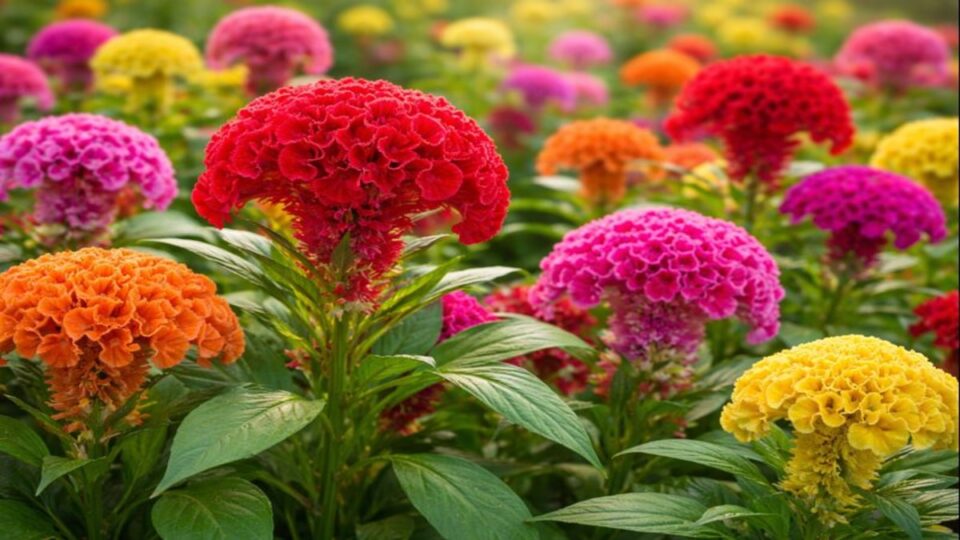
The cockscomb flower is one of nature’s most eye-catching plants, famous for its bold colors and unusual shape. Named for its resemblance to a rooster’s comb, this flower stands out in gardens, landscapes, and floral arrangements around the world. Scientifically known as Celosia, the cockscomb flower is admired not only for its beauty but also for its cultural, medicinal, and ornamental value.
Let’s take a closer look at what makes this flower so special.
What Is a Cockscomb Flower?
The cockscomb flower belongs to the Celosia genus, which is part of the amaranth family (Amaranthaceae). While Celosia includes several types, the cockscomb variety is best known for its dense, folded flower head that looks velvety and sculpted.
It is an annual plant in most climates, meaning it completes its life cycle in one growing season.
Origin and Natural Habitat
Cockscomb flowers are believed to have originated in tropical Africa, but they are now grown widely in:
- Asia
- Africa
- North and South America
- Europe
They thrive in warm climates and are especially popular in tropical and subtropical regions.
Physical Characteristics of the Cockscomb Flower
Flower Shape
The most striking feature of the cockscomb flower is its crested bloom, which resembles a brain or a rooster’s comb. The surface is soft and velvety.
Colors
Cockscomb flowers are available in vivid shades, including:
- Red
- Pink
- Yellow
- Orange
- Purple
- Magenta
These intense colors make them a favorite for decorative use.
Leaves and Stem
The leaves are green or slightly reddish and lance-shaped. The stems are sturdy, allowing the flower head to remain upright.
Types of Celosia
Although cockscomb is the most recognizable, Celosia includes other popular forms:
Celosia Cristata (Cockscomb)
Known for its flattened, crested flower head.
Celosia Plumosa (Plume Celosia)
Features feathery, flame-like blooms.
Celosia Spicata (Wheat Celosia)
Produces long, narrow flower spikes resembling wheat.
Growing Cockscomb Flowers
Climate Requirements
Cockscomb flowers grow best in:
- Warm temperatures
- Full sunlight
- Frost-free environments
They are sensitive to cold and grow poorly in cool weather.
Soil Conditions
Well-drained, fertile soil is ideal. Slightly acidic to neutral soil works best.
Watering Needs
Regular watering is important, but overwatering should be avoided. The soil should remain moist, not soggy.
Growth Time
From seed to bloom, cockscomb flowers typically take 8 to 12 weeks to mature.
Uses of Cockscomb Flowers
Ornamental Use
Cockscomb flowers are widely used in:
- Home gardens
- Public landscapes
- Floral arrangements
- Decorative pots
They are also popular as dried flowers, retaining their color and shape for long periods.
Cultural and Symbolic Uses
In many cultures, cockscomb flowers symbolize:
- Boldness
- Pride
- Immortality
- Passion
They are sometimes used in festivals and traditional decorations.
Medicinal and Nutritional Value
In traditional medicine, especially in parts of Asia and Africa, cockscomb flowers and seeds have been used for various purposes.
Traditional Health Uses
- Used to help stop bleeding
- Believed to support eye health
- Sometimes used for digestive issues
Nutritional Use
In some regions, young leaves and flower parts are cooked and eaten as leafy vegetables. They contain:
- Vitamins A and C
- Iron
- Antioxidants
Benefits of Growing Cockscomb Flowers
- Adds vibrant color to gardens
- Attracts pollinators like bees
- Easy to grow and maintain
- Suitable for containers and borders
- Long-lasting blooms
They are a great choice for beginner gardeners due to their resilience.
Common Problems and Care Tips
Pests and Diseases
Cockscomb flowers may occasionally face:
- Aphids
- Spider mites
- Fungal diseases in overly wet conditions
Good air circulation and proper watering help prevent most problems.
Maintenance Tips
- Remove faded blooms to encourage new growth
- Avoid excessive fertilizer
- Ensure plenty of sunlight
Cockscomb Flower in Landscaping
Because of their bold shape and color, cockscomb flowers are often used as:
- Focal points in flower beds
- Border plants
- Accent plants in mixed gardens
They pair well with simpler flowers that allow their unique form to stand out.
Conclusion
The cockscomb flower is a true showstopper in the plant world. With its dramatic shape, vibrant colors, and easy-care nature, it brings life and personality to any garden. Beyond its beauty, it carries cultural significance and even nutritional value in some regions.
Whether grown for decoration, tradition, or simple enjoyment, the cockscomb flower proves that nature’s creativity knows no limits.
FAQs About Cockscomb Flower
1. Why is it called a cockscomb flower?
Because its flower head resembles the comb on a rooster’s head.
2. Is cockscomb an annual or perennial?
It is usually grown as an annual plant.
3. Can cockscomb flowers grow in pots?
Yes, they grow very well in containers with proper sunlight.
4. Are cockscomb flowers edible?
In some cultures, the leaves and flowers are cooked and eaten.
5. How long do cockscomb flowers bloom?
They typically bloom from summer to early fall.
