
Nothing is more disappointing than opening the fridge to find yesterday’s crisp salad turned into a sad, wilted pile. If you want to know how to keep salad fresh longer, the good news is that it mostly comes down to one thing: moisture control. Salad leaves wilt and rot when they sit wet, so the trick is to keep them cold, dry, and able to breathe. With a few simple storage habits, your greens can stay crisp for a week instead of a day or two.
1. Dry Your Greens Properly Before Storing
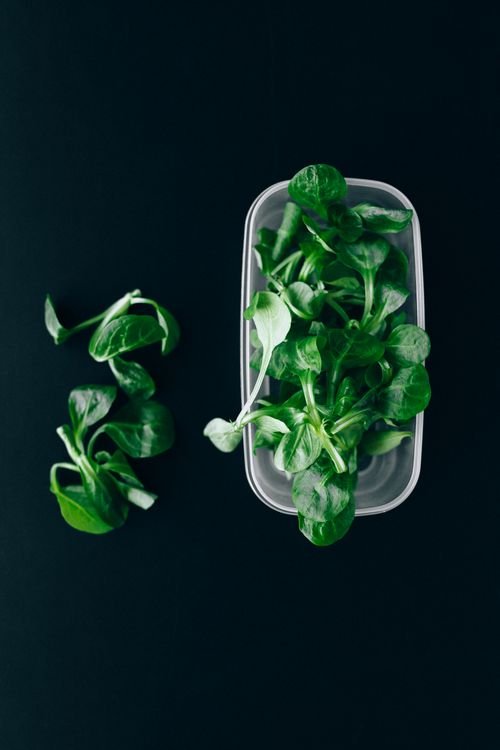
The single most important step happens before the salad ever reaches the fridge. After washing your leaves, dry them thoroughly. A salad spinner is the quickest way, but clean kitchen towels work well too — lay the leaves out and pat them dry rather than squeezing, which bruises the delicate leaves. Dry leaves last far longer, because surface moisture is the fastest route to wilting and slime. If your greens are still damp when you pack them away, no container trick will save them.
2. Use the Paper Towel Container Method
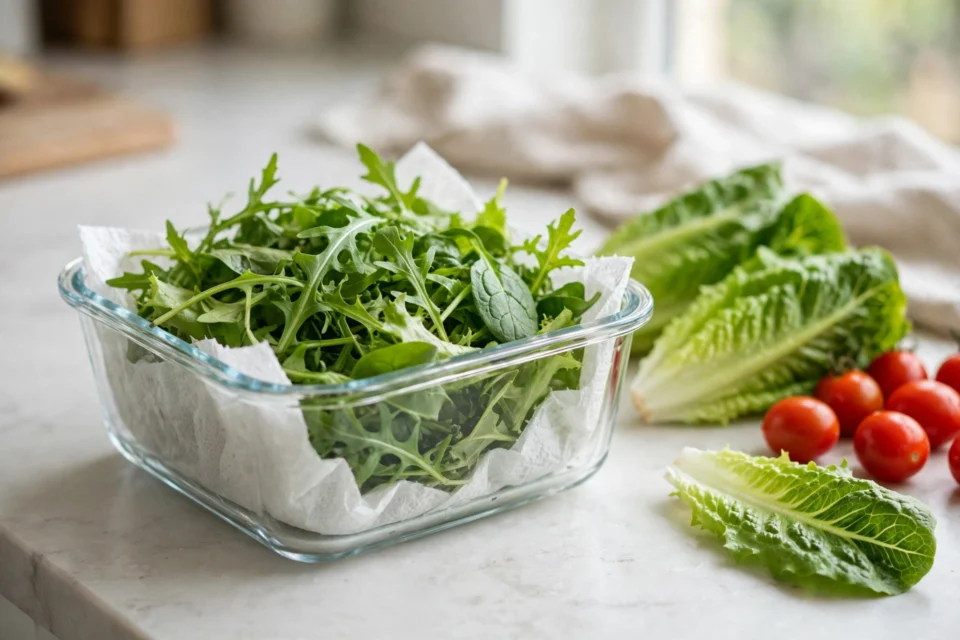
This is the classic trick that makes the biggest difference. Take a large, clean container with a lid — glass or BPA-free plastic both work — and line the bottom with one or two layers of paper towel. Arrange the dry leaves loosely on top, in one or two layers at most, and do not cram them in; pressure damages the leaves and creates wet spots where decay starts. Lay another sheet of paper towel on top of the leaves to catch condensation from the lid, close the lid firmly, and put the container in the fridge. The paper towel acts like a sponge, pulling away the moisture the salad naturally releases. With this method, many households keep lettuce fresh for 7 to 10 days instead of throwing it out midweek.
3. Keep the Dressing Separate Until Serving
Dressing is the quickest way to turn a crisp salad soggy. Never pour dressing over salad you plan to store — moisture is the number one enemy of delicate greens, and a dressed salad will wilt within hours. Keep the dressing in a small separate container and add it only just before serving. The same rule applies to meal prep: pack the greens in one container and the dressing in another, and you can assemble a fresh-tasting salad at work or at home days later.
4. Store Wet Toppings Apart from the Leaves
Tomatoes, cucumber, and other watery ingredients release moisture as they sit, so they should not be stored mixed in with your greens. Keep them in their own containers, or layer them smartly if you must pack one box: sturdy ingredients at the bottom, delicate leaves on top, with a paper towel between the layers. Keeping the wet and dry parts apart buys you several extra days of freshness, and it takes only a minute when you are packing the salad away.
5. The Bagged Salad Trick
If you buy bagged salad, a paper towel helps there too. Once you open the bag, slip a dry paper towel inside, press out as much air as you can, and seal it again. Replace the towel if it gets damp. If your greens came in a plastic tub, you can do the same thing: open the lid, lay a paper towel over the greens, close the lid, and store the tub lid-side down so the towel catches the moisture. One thing not to do: do not rinse triple-washed or ready-to-eat salad before storing it, because the extra water only speeds up spoilage.
6. Pick the Right Spot in the Fridge
Where you put the salad matters. The crisper drawer is usually the best spot, since it holds a good balance of cool temperature and moderate humidity. A middle shelf works too, as long as the container is not pressed against the back wall, where ice sometimes forms. Avoid the fridge door, where the temperature swings every time it opens. The U.S. Department of Agriculture notes that fresh greens should be kept at or below 41°F (5°C). It also helps to keep salad away from apples and ripe avocados — they release ethylene gas, which shortens the life of leafy greens.
7. Remove Wilting Leaves Straight Away
Check your stored salad every day or two and pick out any leaves that have started to wilt or turn brown. One rotting leaf speeds up decay in all the leaves around it, so removing it early protects the rest. It takes ten seconds and can add days to the life of the whole container. The same goes for the paper towel: if it feels damp, swap it for a fresh dry one.
8. Know How Long Salad Actually Lasts
With the paper towel method, whole lettuce leaves and sturdy greens such as romaine and kale can stay fresh for 7 to 10 days. A prepared mixed salad with toppings usually keeps well for 3 to 4 days if the dressing is kept separate. Bagged salad should be eaten within a few days of opening, even with the paper towel trick. And once a salad has been dressed, it is best eaten the same day — no storage method will bring back crisp leaves once they have soaked in dressing.
9. Choose Sturdier Greens When You Can
Some greens simply hold up better than others. Romaine, kale, radicchio, and cabbage stay crisp much longer than delicate butter lettuce or spring mix. If you are shopping for the week and want salad on day five as well as day one, pick a sturdier base and save the fragile leaves for the first day or two. The same storage method works for all of them — the hardy ones just give you more margin.
10. Common Mistakes That Ruin Salad
A few habits undo all the good work. Storing leaves while they are still wet is the biggest one. Cramming too much into one container is another — fill it no more than three-quarters full so air can circulate. Wrapping salad tightly in cling film or foil without any airflow traps moisture against the leaves. And leaving a finished salad sitting out on the counter for hours is a food safety risk as well as a freshness one: refrigerate it promptly, within two hours. Good storage is mostly about avoiding these small mistakes.
Conclusion
Learning how to keep salad fresh longer is less about special equipment and more about a few steady habits: dry the leaves well, store them in a container lined with paper towels, keep the dressing and wet toppings separate, and put the box in the right part of the fridge. Done this way, a salad you make on Sunday can still be crisp on Thursday, which means less waste and one less thing to throw away midweek. Like keeping bread fresh, it is a small kitchen skill that pays for itself every week — start with the paper towel trick, and the rest follows naturally.
