
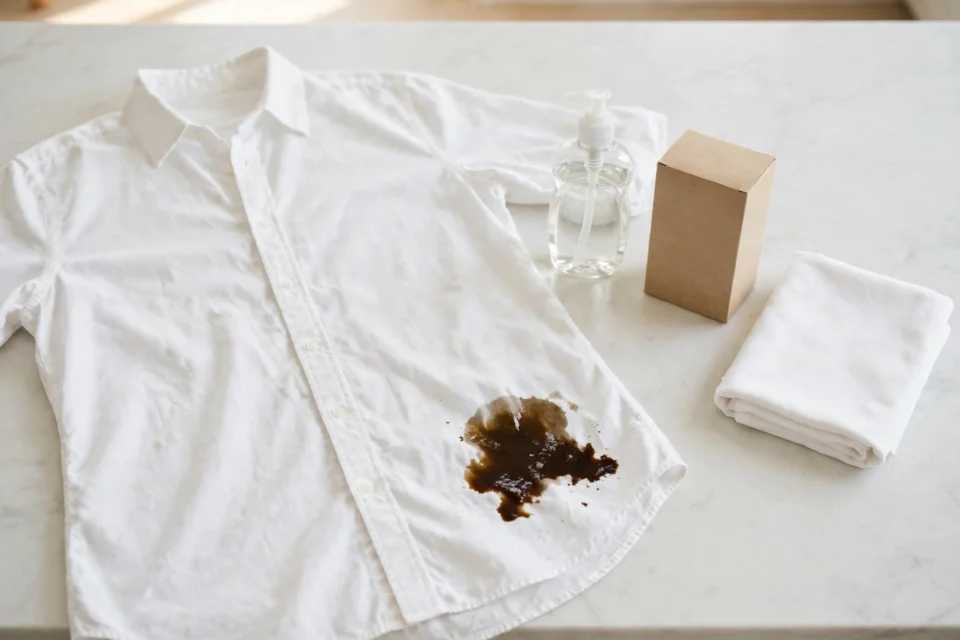
A splash of hot oil while you are cooking, a drip of salad dressing at lunch, or a spot of butter on your sleeve — it happens in seconds, and the mark it leaves looks permanent. The good news is that learning how to remove cooking oil stains from clothes is easier than it looks. Oil stains respond well to a few ordinary household items, and if you treat the stain the right way, most shirts, trousers and dresses come out clean. Here are the simple methods that actually work, using things you probably already have at home.
1. Act Fast, and Blot — Never Rub
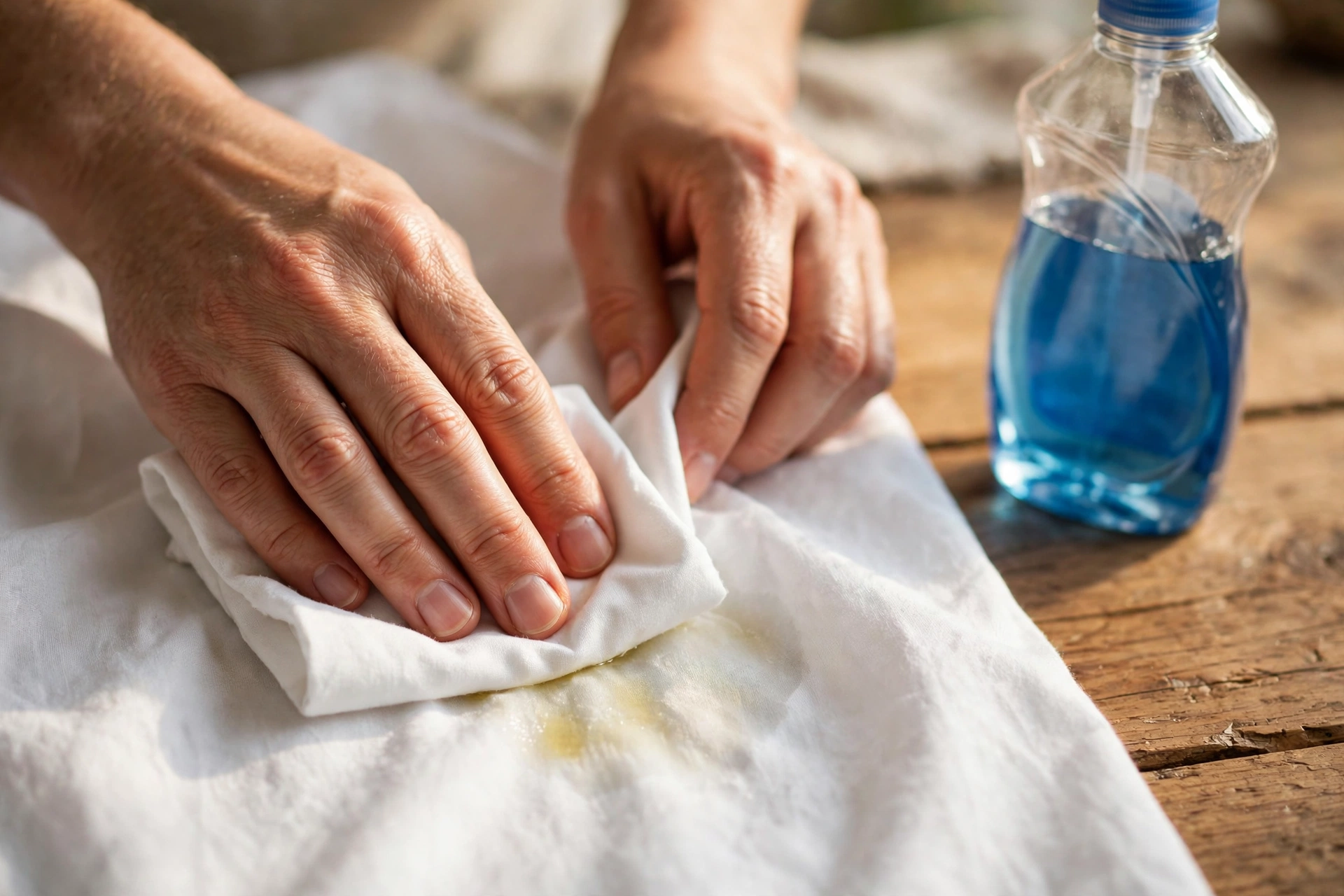
The first minutes matter most with an oil stain. As soon as you notice it, take the garment off if you can and lay it flat. Press a clean cloth or a paper towel firmly onto the stain to soak up as much oil as possible. Work from the outside of the stain towards the middle so the oil does not spread.
Do not rub the stain. Rubbing pushes the oil deeper into the fibres and spreads it across a wider area, which makes it much harder to remove later. Blotting lifts the oil out instead. Even a few seconds of gentle blotting makes the next steps far more effective.
2. Sprinkle Baking Soda or Cornstarch to Absorb the Oil
Before you add any soap or water, cover the stain generously with baking soda or cornstarch. Both powders are excellent at drawing oil out of fabric. Leave the powder on the stain for at least 15 to 30 minutes — for a heavy stain, an hour is even better.
You will see the powder darken as it absorbs the oil. Brush it off and repeat with a fresh layer if the stain still looks wet or shiny. This step alone can remove a surprising amount of a fresh cooking oil stain, and it makes the dish soap method that follows work much better.
3. Treat the Stain with Dish Soap
Dish soap is made to cut through grease on plates, and it does the same job on fabric. Put a small drop of plain dish soap directly onto the stain and gently work it in with your fingers or a soft toothbrush. Leave it for 10 to 15 minutes so it can break down the oil.
Rinse the area with warm water and check the stain. If a faint mark remains, repeat the soap treatment once more before washing. Avoid coloured or heavily scented dish soaps on white clothes — a clear, plain soap is the safest choice. This is the single most reliable step when you need to remove cooking oil stains from clothes quickly.
4. Wash in the Warmest Water the Fabric Allows
Once you have pre-treated the stain, wash the garment in the warmest water that is safe for the fabric. Check the care label first: cotton and linen usually handle warm or hot water well, while wool, silk and delicate synthetics need cooler water.
Use your normal laundry detergent and wash the item on its own or with similar colours. Hot water helps dissolve the last traces of oil, which is why a cold wash often leaves a faint shadow behind. When the wash finishes, check the stain before you put the garment in the dryer.
5. How to Remove Old Oil Stains from Clothes
Old stains are harder, but they are not hopeless. If you are wondering how to remove old oil stains from clothes — including a stain you only noticed days later, or one that has already been washed — the method is the same, just repeated with more patience.
Start with the baking soda step and leave it on for a full hour. Then apply dish soap, work it in gently, and leave it for 30 minutes. Wash in warm water, and if the stain is still visible, repeat the whole process before drying. Old oil stains often need two or three rounds, so do not give up after the first wash. The key rule is to never put a stained garment in the dryer until the stain is gone, because heat sets oil stains permanently.
6. How to Remove Olive Oil and Butter Stains
Olive oil, butter and ghee behave the same way as other cooking oils, but they have their own small quirks. If you need to know how to remove olive oil stain from clothes, the baking soda and dish soap method above works perfectly — olive oil is a pure fat, and dish soap cuts through it easily.
Butter is slightly different because it also contains milk solids, which can leave a pale yellow mark. If you want to remove a butter stain from clothes, scrape off any solid butter first with a blunt knife, then use the same baking soda and dish soap steps. For white clothes, a short soak in warm water with a little white vinegar after the soap treatment helps lift any remaining yellow tint.
7. How to Remove Grease Stains from Clothes After Washing
Finding a grease mark after the wash is frustrating, but it is still fixable as long as the garment has not been through the dryer. To remove grease stains from clothes after washing, treat the dry garment with dish soap straight from the bottle, rub it in gently, and leave it for 30 minutes before washing again in warm water.
If the stain has already been through the dryer, try rubbing a little dish soap into the mark and leaving it overnight before washing. The heat from the dryer may have set the stain, so it might take two or three attempts — but many dryer-set grease stains still come out with repeated treatment. For a stubborn mark, an oxygen-based stain remover used exactly as the label directs is a good final step.
8. What NOT to Do with an Oil Stain
A few common mistakes make oil stains worse. Never rinse a fresh oil stain with plain cold water first — water and oil do not mix, and the water just pushes the oil around. Never use bleach on an oil stain before the oil is gone, because bleach does not dissolve grease and can damage the fabric. And never iron over a stain or tumble-dry a garment that still shows a mark, since heat locks the oil into the fibres.
Also, avoid scrubbing the fabric hard with a brush. Gentle pressure is enough; harsh scrubbing wears the fabric and can leave a pale, damaged patch that looks worse than the stain.
Frequently Asked Questions
Does dish soap really remove cooking oil from clothes?
Yes. Dish soap is designed to break down grease, which is exactly what cooking oil is. Applied directly to the stain and left for 10 to 15 minutes, it lifts most fresh oil stains out of cotton, linen and polyester. It is the most reliable home treatment for this kind of stain.
Can you remove a cooking oil stain after it has dried?
Yes, but it takes more effort. Old or dried oil stains usually need the baking soda step followed by two or three rounds of dish soap and warm washing. The stain often fades a little with each round, so repeat the treatment rather than giving up after one wash.
Will baking soda alone remove an oil stain?
Baking soda absorbs a lot of the surface oil, and for a very light, fresh stain it can be enough on its own. For most stains, though, it works best as the first step, followed by dish soap and a warm wash.
Can I use shampoo instead of dish soap?
In a pinch, yes. Shampoo is also made to cut through grease, so a small amount worked into the stain can help. Dish soap is stronger and usually works better, but shampoo is a reasonable substitute if that is all you have.
Conclusion
Learning how to remove cooking oil stains from clothes comes down to three simple habits: blot the oil out instead of rubbing it in, let baking soda absorb what it can, and let dish soap do the heavy work before a warm wash. Fresh stains usually come out on the first try, and even old or washed-in stains often fade with a second or third round of the same treatment. The one rule to remember is to check the stain before the dryer — heat is the only thing that can turn a removable mark into a permanent one. With these methods, a splash of oil in the kitchen is a small laundry job, not a ruined shirt. For a similar guide for another common stain, see this guide on how to remove coffee stains from clothes.
For a different kind of mark, see our guide on how to remove an ink stain from clothes.
