
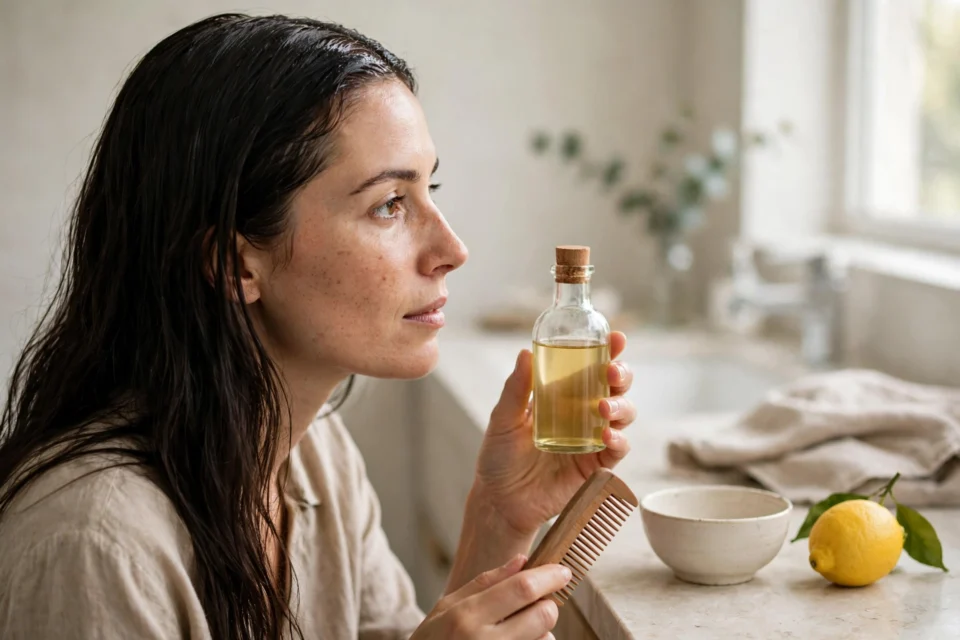
If your hair looks flat and greasy just a day after washing, you are not alone. Learning how to get rid of oily hair naturally is mostly about working with your scalp instead of fighting it. Your scalp makes a natural oil called sebum, and when it makes too much, the roots look shiny and the hair clumps together. The good news is that a few small changes to how you wash, rinse, and style your hair can keep it fresher for much longer, without any expensive products.
Why Is My Hair So Oily?
Before changing your routine, it helps to know why is my hair so oily in the first place. The most common causes are washing too often, using a shampoo that is too harsh, touching your hair a lot during the day, and brushing oil from the roots down the lengths. Hormones, hot weather, and heavy styling products can add to the problem too. When you strip the scalp of oil with a strong shampoo, it often reacts by producing even more oil to replace it. That is why the fix is usually gentler care, not stronger products.
1. Wash Less Often to Stop Oily Hair
The simplest way to learn how to stop oily hair is to wash it less. If you wash every day, try stretching to every second day for two or three weeks. Your scalp needs time to slow down its oil production, and the first week can feel greasy while it adjusts. On the days you skip a wash, tie your hair up or use a quick dry-shampoo trick (see method 4 below). When you do wash, use lukewarm water instead of hot water, because hot water stimulates the oil glands. Massage the shampoo into the scalp only, and let the lather run down the lengths instead of scrubbing the ends.
2. Try an Apple Cider Vinegar Rinse
One of the best-known home remedies for oily hair is an apple cider vinegar rinse. It helps balance the scalp, removes product build-up, and leaves the hair looking shinier. Mix one tablespoon of apple cider vinegar into a cup of cool water. After shampooing, pour it slowly over your scalp, leave it for two or three minutes, then rinse with plain water. Use it once or twice a week. The vinegar smell fades as the hair dries. If your scalp feels irritated, dilute the mixture further or use it less often.
3. Use a Clay Mask or Aloe Vera
Another of the classic home remedies for oily hair is a simple clay mask. Bentonite or rhassoul clay absorbs extra oil from the scalp. Mix two tablespoons of clay with enough water to make a smooth paste, apply it to the roots, leave it for ten minutes, then rinse well and shampoo lightly. Aloe vera gel works in a gentler way: massage a tablespoon of pure aloe vera gel into the scalp, leave it for fifteen minutes, and wash it out. Both are cheap, natural, and easy to repeat once a week.
4. Make Hair Less Oily Without Washing
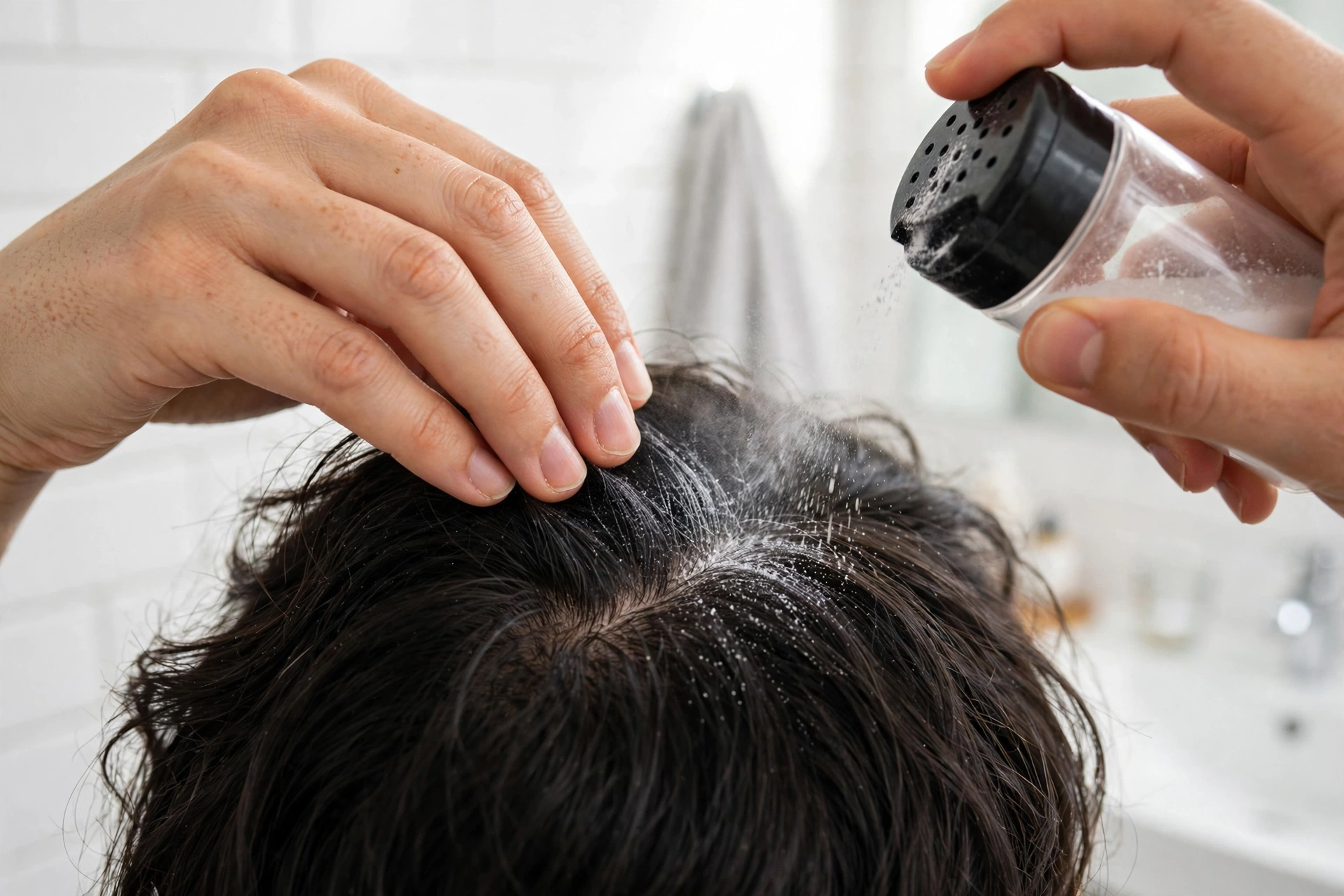
Some days you simply do not have time for a full wash. If you are wondering how to make hair less oily without washing, dry shampoo is the quickest fix. Spray or sprinkle a small amount at the roots, wait two minutes so it can absorb the oil, then brush it through. If you do not have dry shampoo, a pinch of cornstarch or plain baby powder works in the same way on light hair — use very little and brush well so no white powder shows. Blotting papers, the kind used for oily skin, also work surprisingly well on the roots in a hurry. These tricks buy you an extra day, but they are not a replacement for washing.
5. Pick the Best Shampoo for Oily Hair
Choosing the best shampoo for oily hair matters more than most people think. Look for a clear, lightweight shampoo labelled for oily hair or for daily use, and avoid heavy formulas with lots of oils, silicones, or deep-conditioning ingredients at the roots. A shampoo with tea tree or salicylic acid can help keep the scalp clearer. Use conditioner only on the ends, never on the roots, and rinse it out fully. If your hair feels coated, a clarifying shampoo once every two weeks will remove the build-up that makes roots look greasy faster.
6. How to Get Rid of Greasy Hair Fast
When you need a quick fix before going out, here is how to get rid of greasy hair fast. First, flip your head upside down and blast the roots with a hairdryer on the cool setting for a minute — the airflow lifts the roots and makes the oil less visible. Then add a little dry shampoo, brush through, and finish with a loose style like a low ponytail or a braid, which hides flat roots better than hair worn loose and straight. Avoid straighteners on greasy roots, because heat pressed flat against the scalp makes the oil show up more.
7. Small Habits That Keep Hair Fresher Longer
A few everyday habits make a real difference over time. Wash your hairbrush and pillowcase regularly, since both collect oil and transfer it back to your hair. Touch your hair less during the day, and keep your hands off the roots. Brush from the ends upward instead of dragging oil from the scalp down the lengths. If you use styling products, keep them away from the roots and use less than you think you need. These small changes add up, and after a few weeks most people find they can go an extra day between washes.
Frequently Asked Questions
How often should I wash oily hair?
Start by washing every second day and see how your scalp responds after two or three weeks. Many people find their scalp produces less oil once it is not being stripped daily. If your scalp is very oily, every second day is a realistic goal; daily washing is fine too if you use a gentle shampoo.
Does apple cider vinegar really help oily hair?
It can help as a weekly rinse because it clears build-up and helps balance the scalp. It is not a cure on its own, so use it alongside gentler washing habits and the right shampoo for the best results.
Can I use dry shampoo every day?
It is best as an occasional fix rather than a daily habit. Using it every day can clog the scalp and cause build-up, which makes the oil problem worse in the long run. Wash properly at least every second or third day.
Why does my hair get oily so quickly in summer?
Heat and humidity make the scalp sweat more, and sweat mixes with sebum to make the roots look greasy sooner. Lighter shampoo, cooler water, and a dry-shampoo refresh on hot days usually help.
More Natural Remedies on Fascisterne
If you like gentle, natural fixes for everyday problems, the same approach works elsewhere too. Our guide to dark circles explains simple home remedies that actually help tired-looking eyes, the bad breath guide covers natural ways to freshen your breath without strong mouthwash, and if you need a quick fix for hiccups in adults, that guide has simple remedies that work fast.
Conclusion
Figuring out how to get rid of oily hair naturally comes down to a gentler routine: wash a little less often, use lukewarm water, try a weekly vinegar rinse or clay mask, pick a light shampoo, and keep a dry-shampoo trick ready for busy days. Give your scalp two or three weeks to adjust, and you should notice your hair staying fresher for longer. If the oiliness is sudden, severe, or comes with itching and flaking that does not improve, it is worth asking a doctor or dermatologist, since some scalp conditions need proper treatment.
