
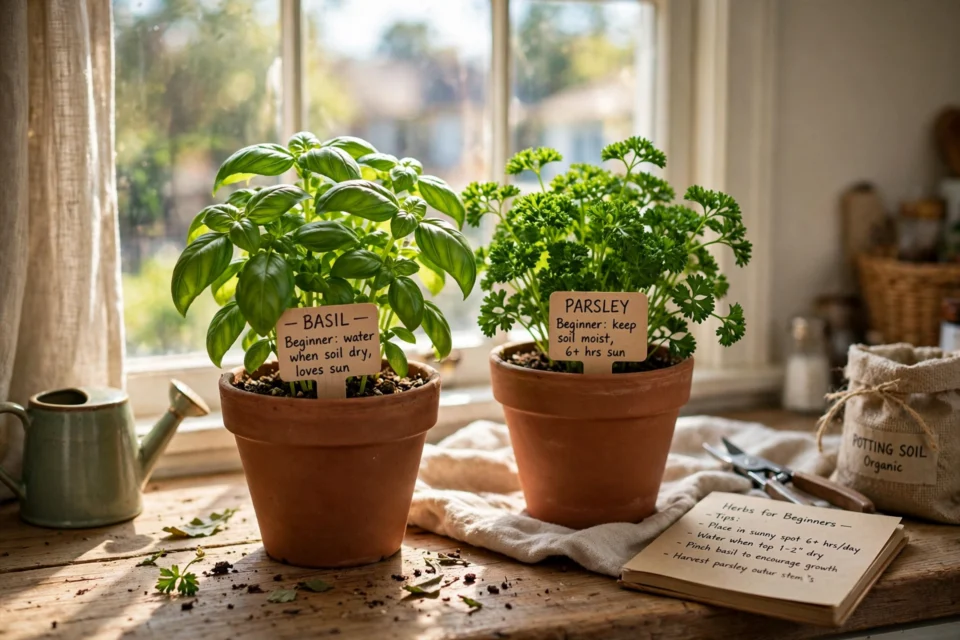
Fresh herbs can turn a plain meal into something special, and you do not need a garden to enjoy them. Learning how to grow herbs indoors for beginners is simpler than most people expect: a sunny windowsill, a few pots, and a little regular care are enough to keep basil, mint, and parsley growing through the year.
Why Grow Herbs Indoors?
Indoor herbs are fresh whenever you need them, so you pick only what you will use and waste less. They cost less over time than buying bunches that wilt in the fridge, and they add colour and scent to a kitchen. For beginners, they are also forgiving plants: most common herbs grow quickly, show clearly when they need water, and recover well from a small mistake.
The Best Herbs to Grow Indoors
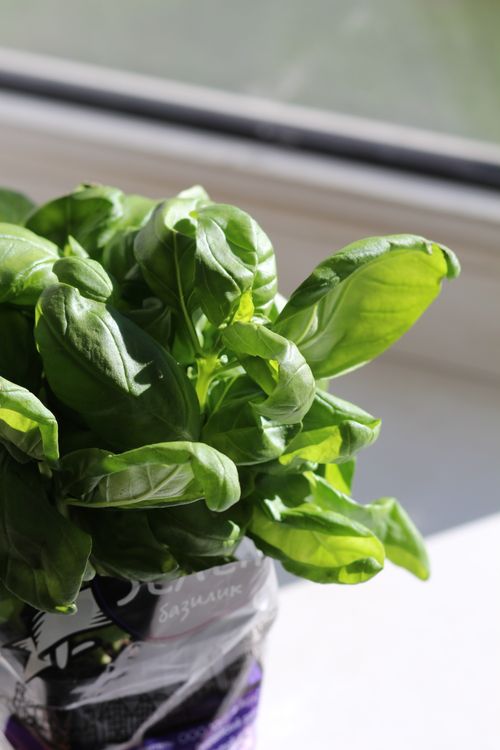
Start with herbs you actually cook with. Basil is a favourite for pasta, salads, and tomato dishes, and it grows fast in a warm, bright spot. Mint is almost unstoppable, but always give it its own pot, because it spreads quickly and can crowd out its neighbours. Parsley is hardy and useful in almost any savoury dish, while chives add a mild onion flavour to eggs, potatoes, and soups. Thyme and oregano are also good choices if you have a very sunny sill, since both prefer drier soil.
What You Need to Get Started
You need pots with drainage holes, ordinary potting compost, and a tray to catch drips. Small starter plants from a garden centre are easier than seeds for a first attempt, though basil and chives also grow well from seed. Label each pot so you remember what you planted, and keep a small pair of scissors nearby for harvesting.
Light, Water, and Feeding
Most herbs need several hours of bright light each day, so a south-facing windowsill is ideal in the northern hemisphere, and a bright east- or west-facing sill is the next best option. Turn pots every few days so plants grow evenly instead of leaning toward the glass. Water when the top of the compost feels dry, and let excess water drain away rather than leaving pots sitting in water. Feed lightly, about once a month during the growing season, with a diluted liquid feed; too much fertiliser produces soft, weak growth with less flavour.
Harvesting Without Harming the Plant
Pick little and often rather than stripping a plant bare. Snip leaves or stems from the top, which encourages bushy growth, and never take more than about a third of a plant at once. Regular picking keeps basil and mint productive, and it stops parsley and chives from becoming tall and leggy. Use the leaves fresh when you can, since dried shop-bought herbs lose flavour faster than most people realise.
Common Mistakes to Avoid
The most common mistake is overwatering, which causes yellow leaves and root rot. The second is too little light, which leaves plants pale and stretched. Crowded pots, cold draughts, and forgetting to harvest are other frequent problems, but all are easy to fix once you notice them. If a plant struggles, move it to a brighter spot, check the drainage, and give it a week before deciding it has failed.
Growing herbs indoors is a small habit with a daily reward. Start with two or three easy herbs, give them light and steady watering, and harvest a little at a time. Within a few weeks, you will have fresh flavour on your windowsill whenever you cook — and a good reason to plan meals around what is growing, as in our guide to weekly meal planning for beginners.
